
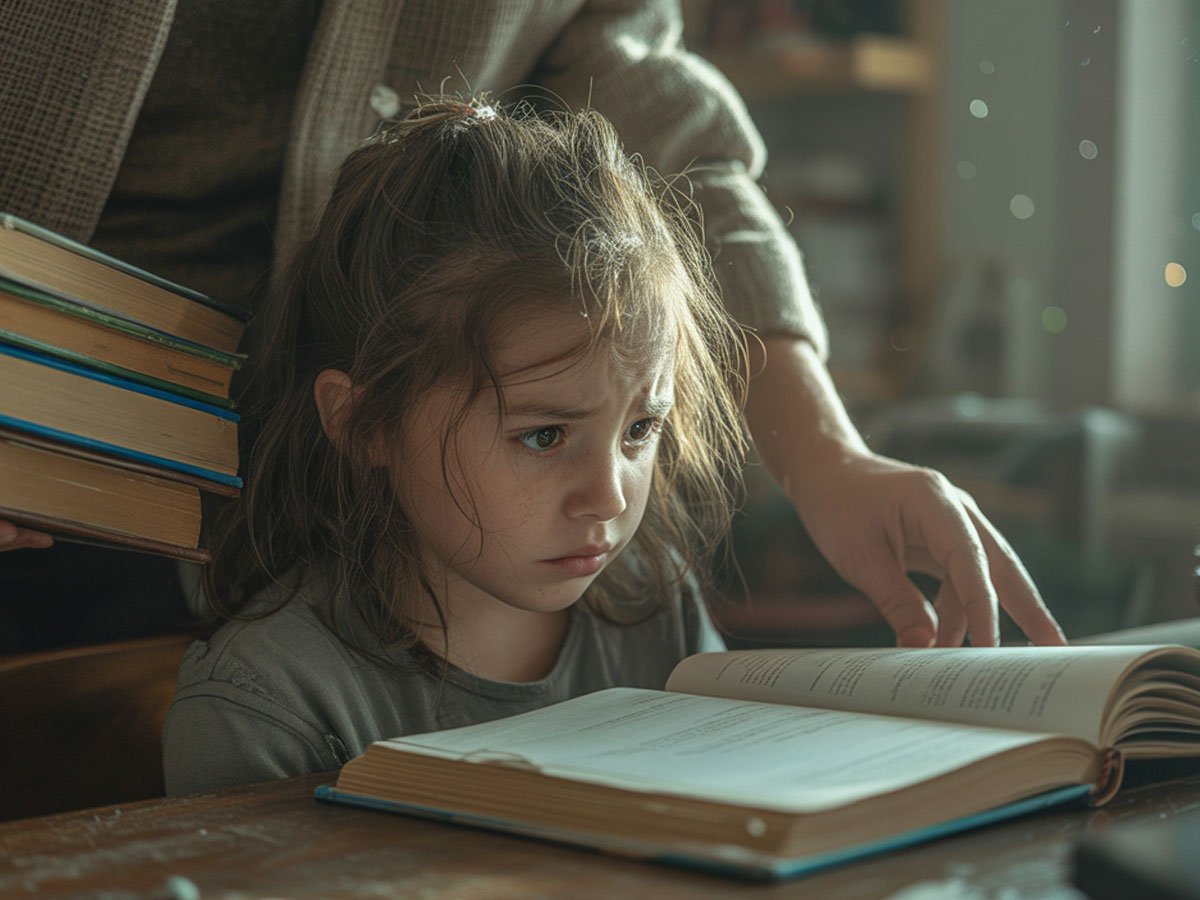
Parenting is one of the most rewarding journeys, but it’s also one of the trickiest.
While parents usually act out of love, sometimes their actions unintentionally create stress for their kids.
I’ve seen it in my own home and in the homes of friends—small habits that seem normal but weigh heavily on children.
Stress in kids doesn’t always come from school or peers; often, it comes from within their own families.
In this post, I’ll share five common ways parents cause unnecessary stress, along with real-life reflections and better alternatives.
1. Setting Unrealistic Expectations
When I was younger, my parents often compared my grades with cousins.
Even though they meant to encourage me, it made me feel like I was never enough. Many parents, without realizing it, set the bar so high that children feel pressured rather than motivated.
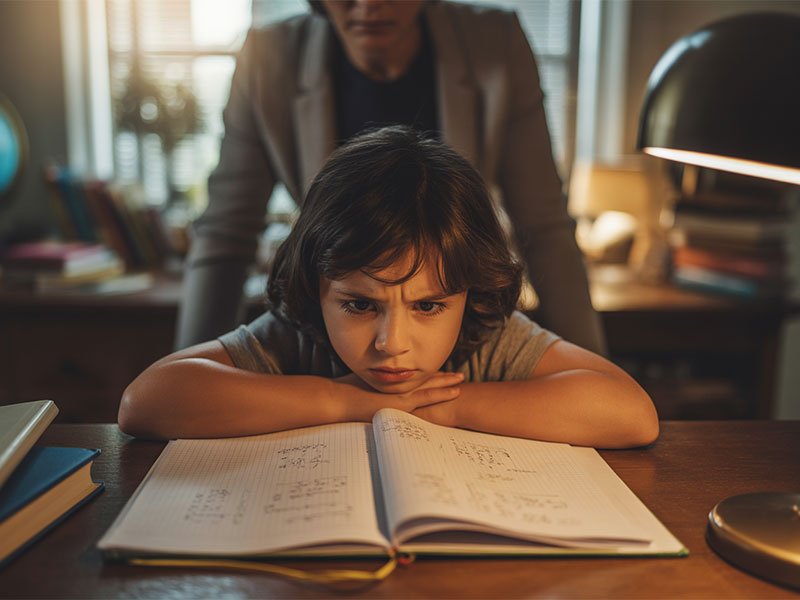
This stress can cause anxiety, fear of failure, or even resentment. Instead of demanding perfection, focusing on effort and progress helps kids build confidence and resilience.
2. Over-Scheduling Their Lives
One of my friends enrolled her daughter in four different activities—ballet, piano, tutoring, and sports—on top of school.
The child was exhausted and began losing interest in everything. Over-scheduling leaves kids with no time to relax or just be children.
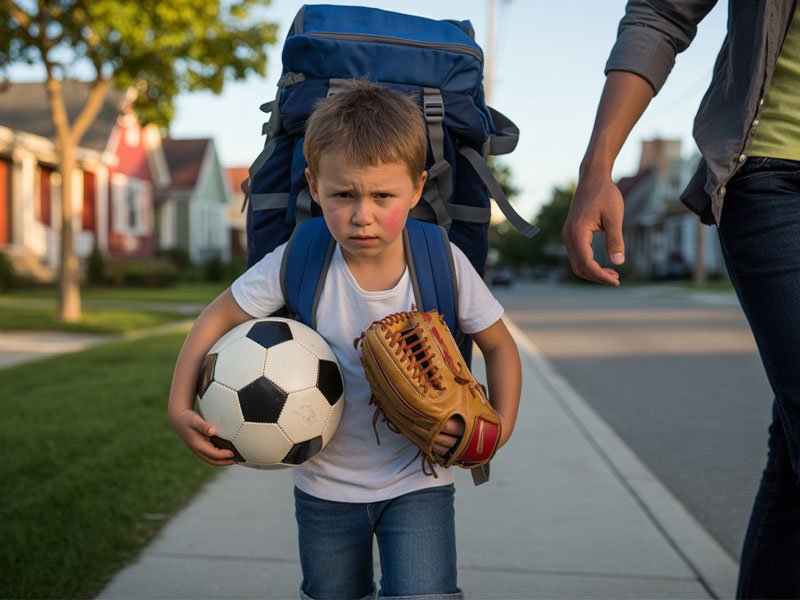
Stress grows when kids feel they must constantly perform. Free time is not wasted time—it’s when creativity blooms and kids recharge. Balance is the key.
3. Constant Criticism Instead of Encouragement
I remember correcting my son every time he made a mistake while learning to ride his bike.
Instead of motivating him, my words made him hesitate more. Constant criticism chips away at self-esteem, making kids feel like they can’t do anything right.
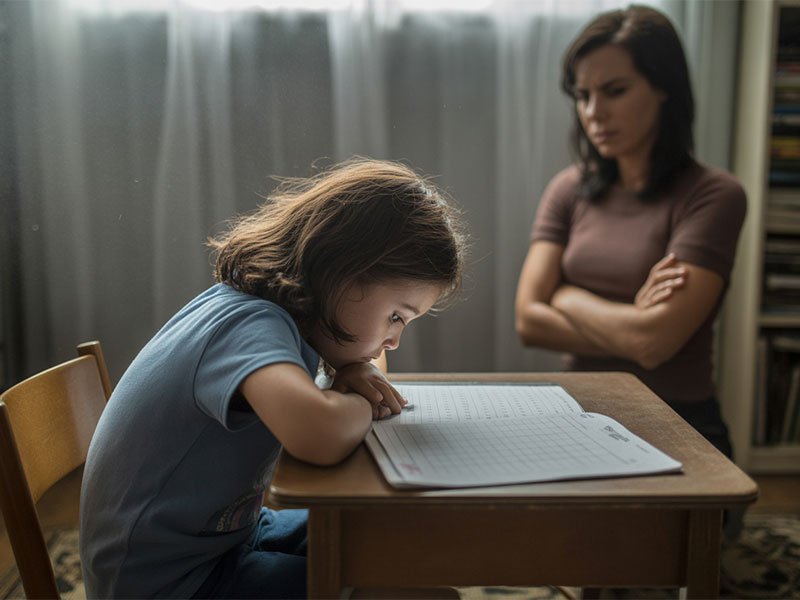
Constructive feedback should be wrapped in encouragement. Celebrating small wins teaches kids that mistakes are part of learning, not something to be ashamed of.
4. Arguing in Front of Children
Children notice more than we think.
Once, after an argument with my spouse, I saw my daughter sitting silently in her room with tears in her eyes.
That moment made me realize how much parental conflict affects kids.

Frequent arguments create insecurity and stress because children fear their family might break apart.
Parents can disagree—that’s natural—but handling disagreements calmly or in private makes kids feel safe and secure.
5. Not Listening to Their Feelings
Many kids say, “My parents don’t understand me.” I once brushed off my son’s worries about a school project, telling him it wasn’t a big deal.
Later, I realized it was huge for him. Not listening invalidates children’s emotions and makes them bottle up stress.

Active listening—making eye contact, nodding, and asking follow-up questions—shows kids that their feelings matter. When they feel heard, their stress reduces dramatically.
Conclusion
Parents never intend to harm their children, but small habits can unintentionally pile on stress.
By lowering unrealistic expectations, balancing schedules, encouraging instead of criticizing, handling conflicts wisely, and truly listening, we create a healthier emotional environment.
Remember, kids don’t need perfect parents—they need supportive ones who make them feel valued, safe, and loved.