

Does your younger daughter snap at others, speak harshly, or seem to lack respect—no matter how kindly people treat her? You’re not alone. Many parents wonder why their youngest child, especially when deeply loved and cared for, can develop rude or disrespectful behavior. The answer often lies in the environment we unintentionally create while raising them.
Let’s explore 7 real reasons why your daughter might be acting this way—and what you can do about it.
1. She’s Loved Too Much by Everyone

Too much love without limits can cause problems. If a child is always praised, given gifts, and never told “no,” she may start to think she is always right.
She might expect everyone to agree with her and get upset when things don’t go her way. Even small refusals can make her angry.
Love is important, but children also need boundaries. They need to learn patience, respect, and that they can’t always have everything.
With balance, love helps them grow the right way.
2. Every Desire Is Fulfilled Immediately

As parents, we love to keep our children happy, so we often say “yes” to everything. It feels like love.
But when a child always gets what they want, they don’t learn patience or how to hear “no.” Later, even small refusals can make them upset or rude.
They’re not bad—they just never learned to handle disappointment.
Sometimes saying “no” or “wait” is important. It teaches respect, patience, and helps them grow the right way.
3. No One Corrected Her When She Spoke Rudely in the Past

Children learn from what we allow. If we don’t correct them, they think their behavior is okay.
At first, rude words may seem cute or funny. But if no one stops it, it becomes a habit. They don’t understand that their words can hurt others.
That’s why gentle correction is important. Simple words like, “Say it nicely” can teach them respect.
It’s not about being strict—it’s about guiding them to speak with kindness.
4. She’s the Only Baby Girl in the House
Being the only girl often brings extra love and attention, and everyone treats her like a princess to keep her happy. But if no one corrects her, she may start to think she can do anything she wants.
She may find it hard to hear “no” and react with anger or rude behavior. This happens because she isn’t taught limits and respect. Love is important, but gentle guidance helps her grow into a kind and strong person.
Teaching her to wait and share is also very important. Simple rules help her understand what is right and wrong. With balance, she can grow up confident, respectful, and well-behaved.
5. She’s Seeking Attention in the Wrong Ways
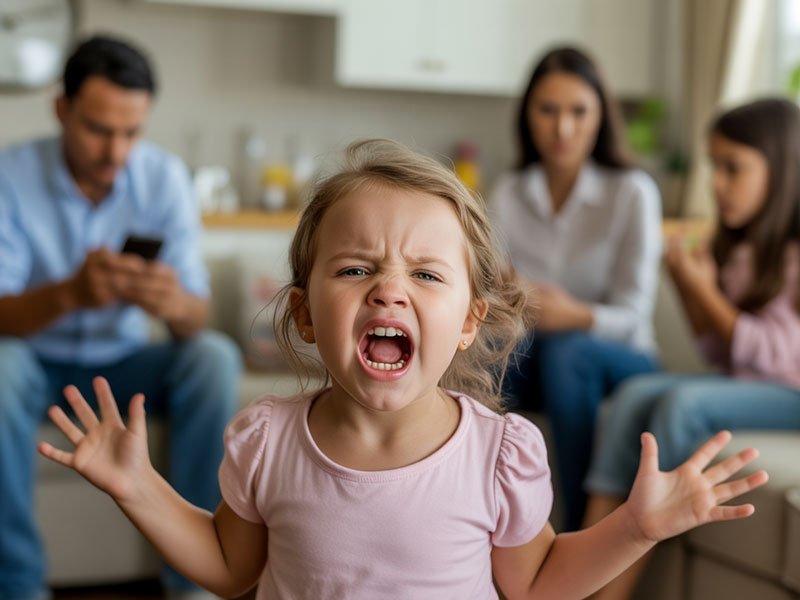
Sometimes children act rude not because they are angry, but because they want attention. They want to feel seen and heard, especially when they feel ignored. If they don’t get attention in a calm way, they may use rude words or tantrums to get a reaction.
Even negative attention can make them repeat this behavior. They don’t always know how to ask for love in the right way. Giving them time, listening, and praising kind behavior helps them feel valued and behave better.
6. She Hasn’t Been Taught Emotional Regulation
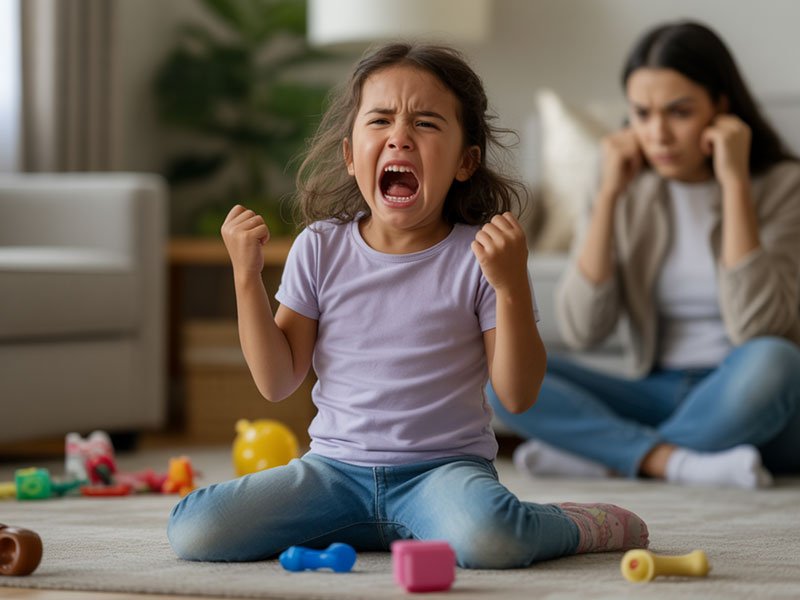
Sometimes children act rude not because they are bad, but because they don’t know how to handle big feelings. They may feel angry, sad, or frustrated and don’t know how to express it properly.
So they shout, cry, or say hurtful words. They are not trying to be mean—they just don’t know better. Children need to be taught how to talk about their feelings.
Simple guidance like “speak kindly” or “take a deep breath” helps a lot. Staying calm and guiding them teaches better behavior. Over time, they learn to control emotions and respond with respect.
7. She Doesn’t See Consistent Boundaries at Home
Children need clear and consistent rules to feel safe. If rules keep changing, they get confused about what is right and wrong. When one person says “no” and another says “yes,” children learn to ignore rules. They may start asking different people to get what they want.
This can lead to stubborn or rude behavior. It’s important that all family members follow the same rules. When rules are clear and steady, children feel secure and behave better.
Simple rules like speaking kindly and waiting their turn should be followed every day. When children know what to expect, they feel more calm and confident. This consistency helps them grow into respectful and disciplined individuals.
Conclusion
If your younger daughter is rude, it doesn’t mean she’s bad—it means she needs guidance. Her behavior may come from too much attention, unclear rules, or not knowing how to handle her feelings.
The good news is she can learn. With patience, love, and clear rules, you can teach her better behavior. Say “no” when needed and praise her when she is polite. Spend time with her and listen to her.
With your support and consistency, she will grow into a kind and respectful person.