
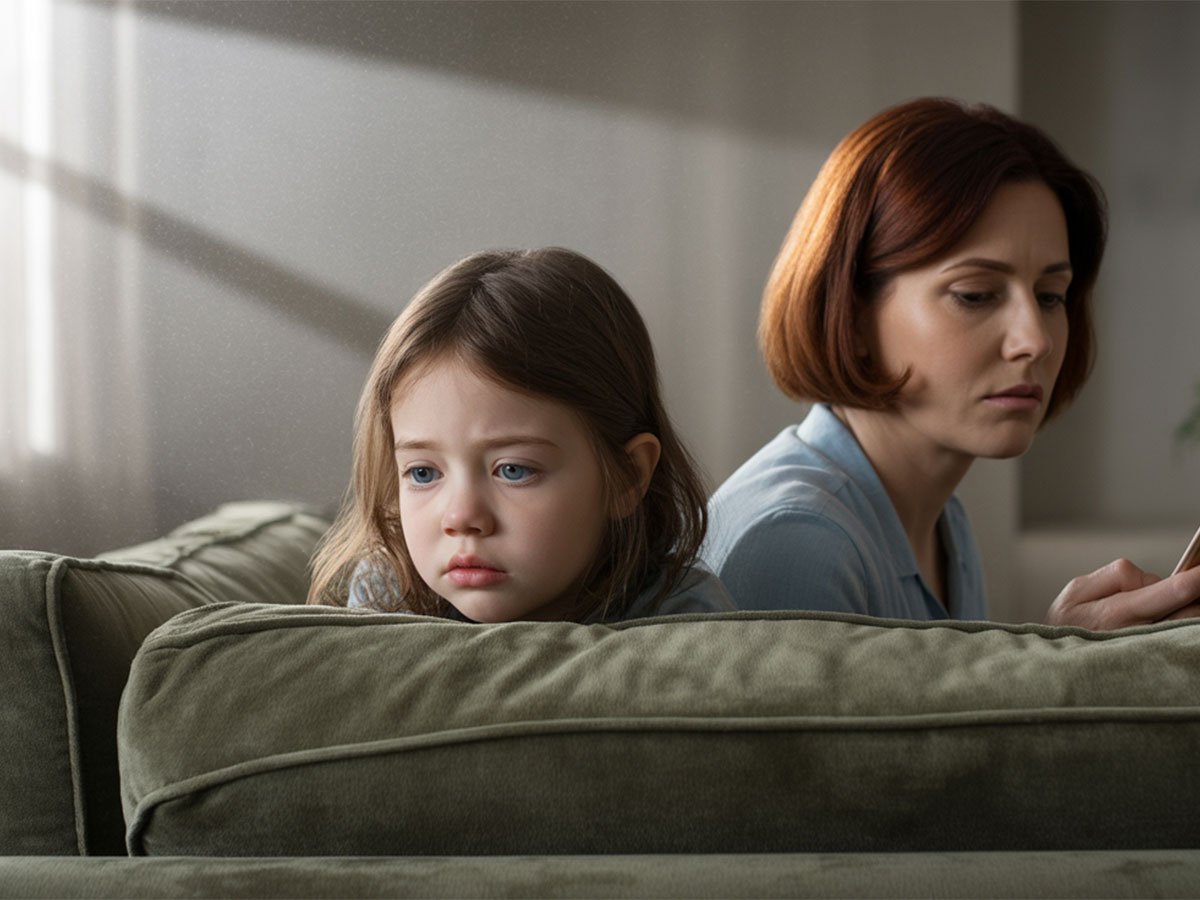
Parenting is one of the most rewarding journeys, but it also comes with challenges.
While every parent wants the best for their child, sometimes small mistakes—often made unknowingly—can negatively impact a child’s emotional, mental, or social growth.

The truth is, children don’t just learn from what we teach; they absorb what we do, how we react, and how we love them. In this blog, I’ll share six common parenting mistakes that can harm children, along with personal examples from my aunt, cousin, friend, and sister.
1. Not Listening to Children’s Feelings
One of the biggest mistakes parents make is brushing off their child’s emotions as “silly” or “dramatic.” When children feel unheard, they start bottling up their feelings, which can lead to trust issues later.
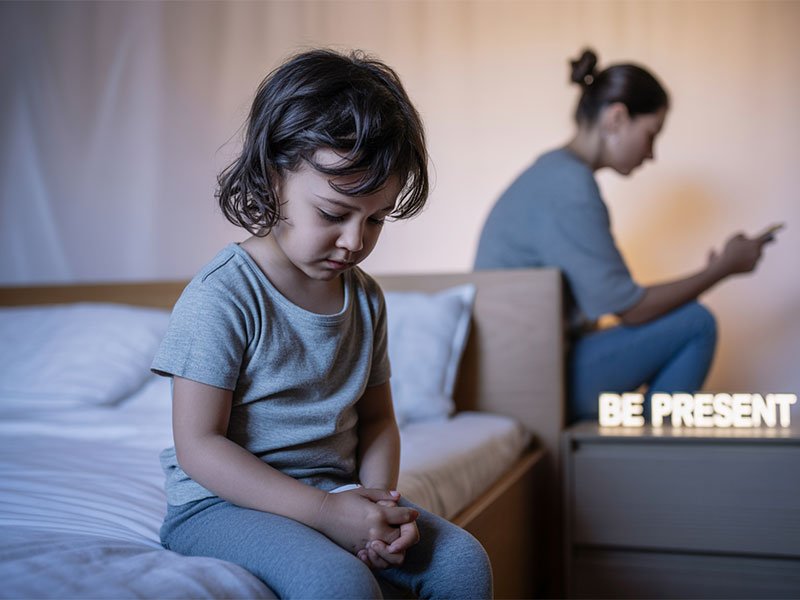
My aunt once admitted that she used to dismiss her son’s complaints about being bullied at school, thinking he was just “making excuses.” Later, she realized he had become more withdrawn. Once she started actively listening, his confidence improved.
2. Comparing Children with Others
Statements like “Look at your cousin, he studies so well” may sound harmless, but they can damage a child’s self-worth.
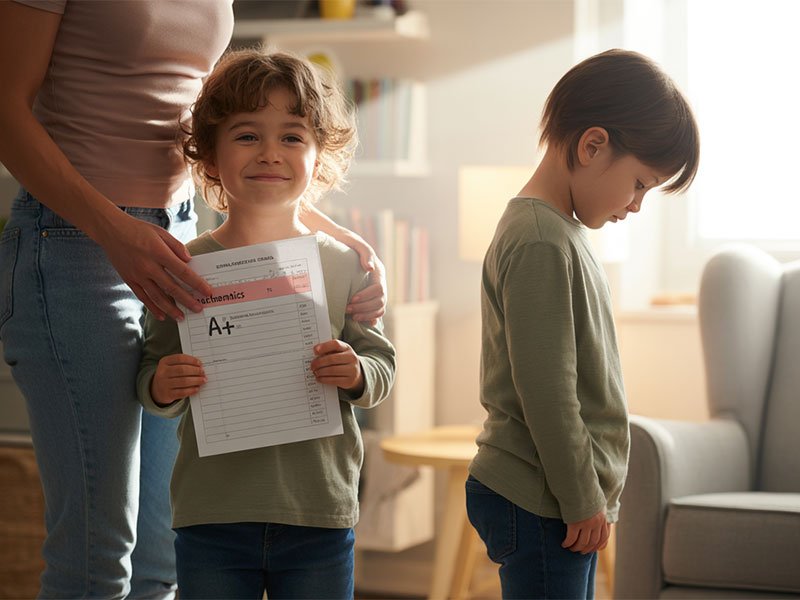
Every child is unique, and constant comparison creates insecurity.
My cousin often tells me how much she hated being compared to her academically strong brother. She felt she was “never enough.” Now, as a parent, she makes a conscious effort to celebrate her daughter’s individuality.
3. Being Overly Strict or Controlling

Discipline is necessary, but when parents become overly strict, children often grow fearful rather than respectful.
They might obey temporarily but later develop resentment.
A close friend of mine grew up in a household with very strict rules. She said it made her rebellious as a teenager, and she hid most things from her parents. Today, she believes a balance of guidance and freedom is healthier.
4. Ignoring Quality Family Time
Parents sometimes get so busy with work, phones, or household chores that they forget children crave attention.
Lack of bonding time can make kids feel unloved, even if parents are providing everything materially.
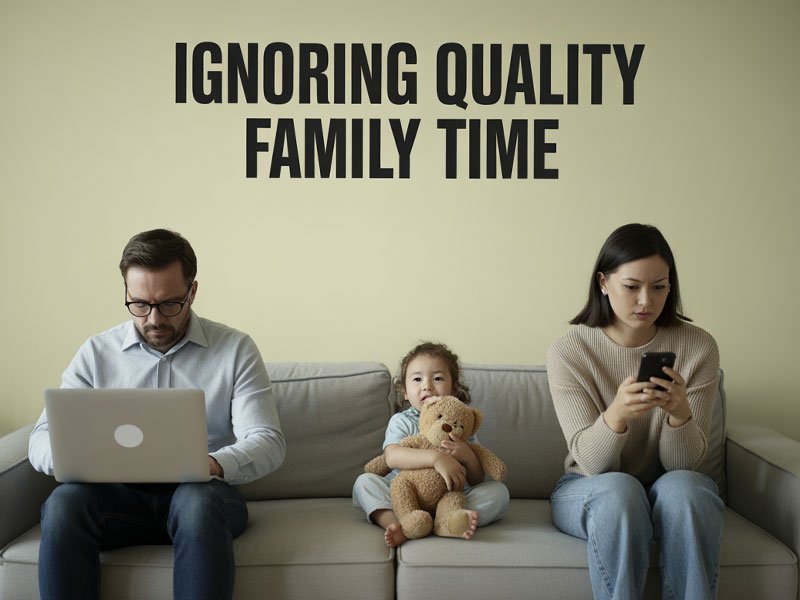
My sister once shared that her daughter would keep repeating small stories about school, just to get attention. When she started giving 20 minutes of undivided time daily, her daughter became more open and happy.
5. Using Negative Language Too Often
Words like “You’re lazy” or “You’ll never succeed” can leave deep scars on a child’s self-esteem. Children remember these words far longer than we think.
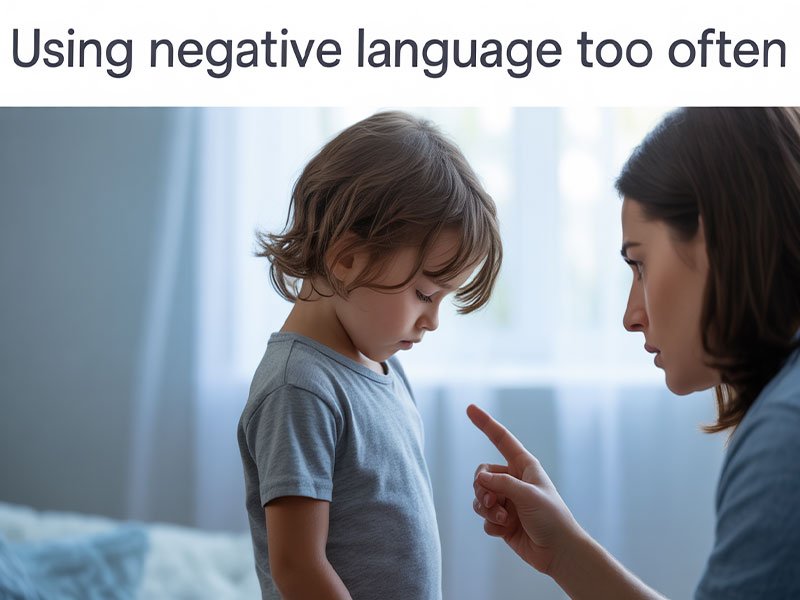
I remember my friend telling me that her father always criticized her instead of encouraging her. Even now as an adult, she struggles with self-doubt and constantly seeks approval. This shows how powerful words can be.
6. Not Allowing Children to Make Mistakes
Some parents try to protect their kids from every failure. While the intention is love, it actually prevents children from developing problem-solving skills and resilience.
My aunt now laughs at how she once redid all her daughter’s school projects because she wanted them “perfect.” Later, she realized her daughter lacked confidence in her own work. She now lets her learn from small mistakes, which has made her more independent.
Effects of Bad Parenting on Children
1. Emotional and Mental Struggles
Children raised with constant criticism, neglect, or lack of affection often develop low self-esteem, anxiety, or depression.
2. Behavioral and Social Problems
Bad parenting can lead to aggression, lying, or disobedience in children. They might copy negative patterns at home and struggle with friendships or teamwork at school.
3. Academic and Future Challenges
When children lack encouragement or face constant comparison, their motivation for learning decreases. They may underperform in school and carry poor problem-solving skills into adulthood.
Conclusion
Parenting shapes the foundation of a child’s life, and the effects of bad parenting can last far beyond childhood.
The good news is that no parent is perfect, but awareness makes all the difference.
By choosing patience over anger, encouragement over criticism, and presence over neglect, parents can raise confident, resilient, and happy children.
Remember, small changes in parenting today can transform a child’s tomorrow.