

As parents, our biggest responsibility is to protect our children.
Yet sometimes, abuse can hide behind silence, fear, or confusion.
It often shows up in subtle signs rather than direct words. Many parents overlook these warning signals until the damage becomes deeper.
Recognizing them early is the first step toward helping your daughter heal and feel safe again.
Below are 10 important signs that may indicate your daughter is experiencing abuse, along with real-life inspired insights.
1. Sudden Changes in Behavior
A daughter who was once cheerful may suddenly become quiet, distant, or irritable.
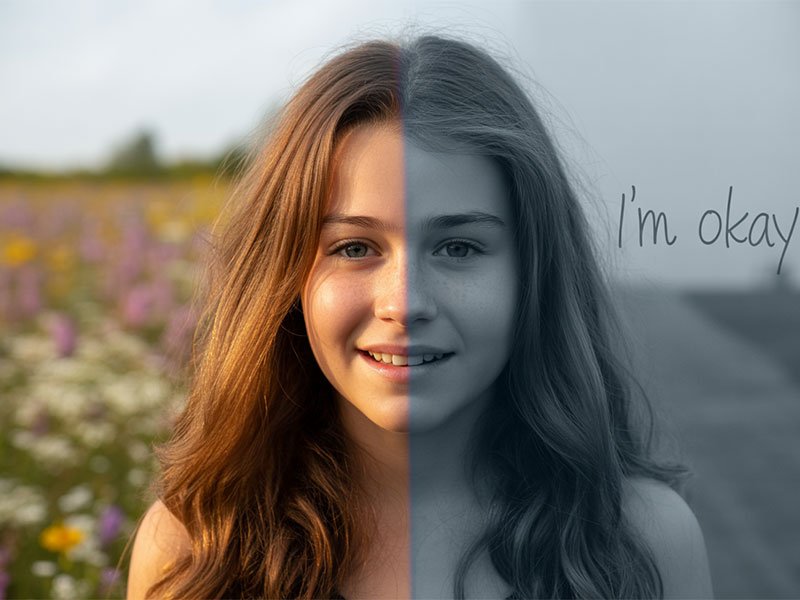
These drastic shifts often point to inner struggles.
I once noticed a cousin’s daughter stop laughing at family dinners. Later, she revealed her silence came from fear of someone hurting her.
2. Fear of Specific Places or People
If she avoids certain rooms, relatives, or friends, it’s worth paying attention.
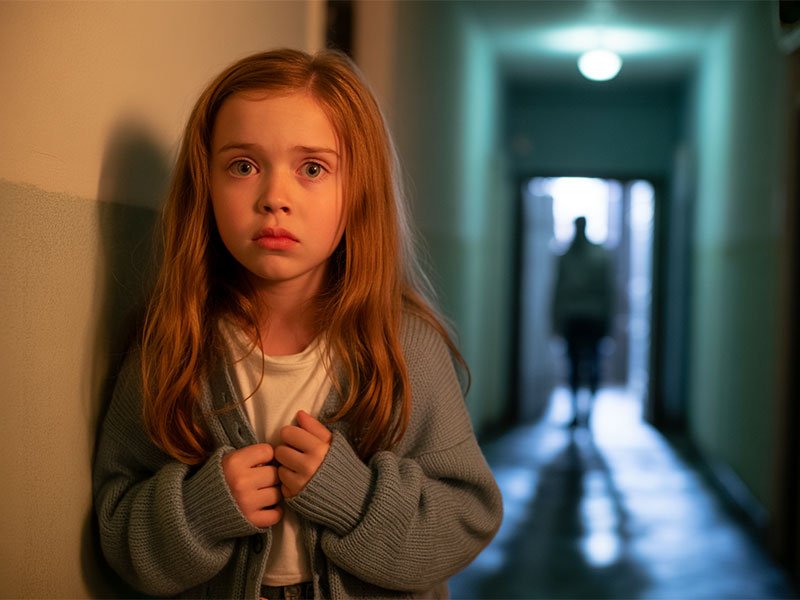
Fear is a natural signal that something is wrong.
A friend shared how his daughter would refuse to visit a neighbor’s house, and only later did they realize why—she didn’t feel safe there.
3. Unexplained Injuries
Bruises, scratches, or burns without clear explanations can’t be ignored.
Excuses like “I just fell” might be a cover-up.
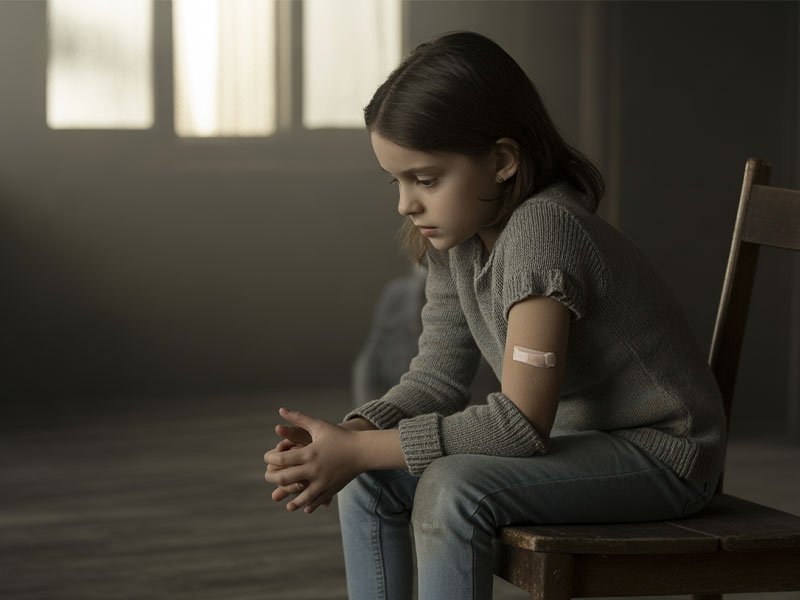
One mother I know said her daughter always had excuses for bruises, until a teacher gently asked the right questions.
4. Withdrawal from Activities She Once Loved
When she stops enjoying hobbies, sports, or hanging out with friends, it could signal emotional distress.
I saw this in a student of mine who suddenly quit painting, even though she used to adore it.

She later opened up about her struggles at home.
5. Drop in Academic Performance
A sudden decline in grades, skipping classes, or losing focus can reflect emotional pain or fear.
One parent told me how her bright daughter, always top of the class, started failing tests. Abuse had stolen her concentration.
6. Nightmares or Trouble Sleeping
Frequent nightmares, bedwetting, or avoiding sleep are often linked to trauma. She may fear being alone at night.

I remember my niece waking up screaming, saying “don’t let them in.” Only after counseling did the reason come to light.
7. Changes in Eating Habits
Overeating, loss of appetite, or sudden weight changes may signal coping with abuse-related stress.
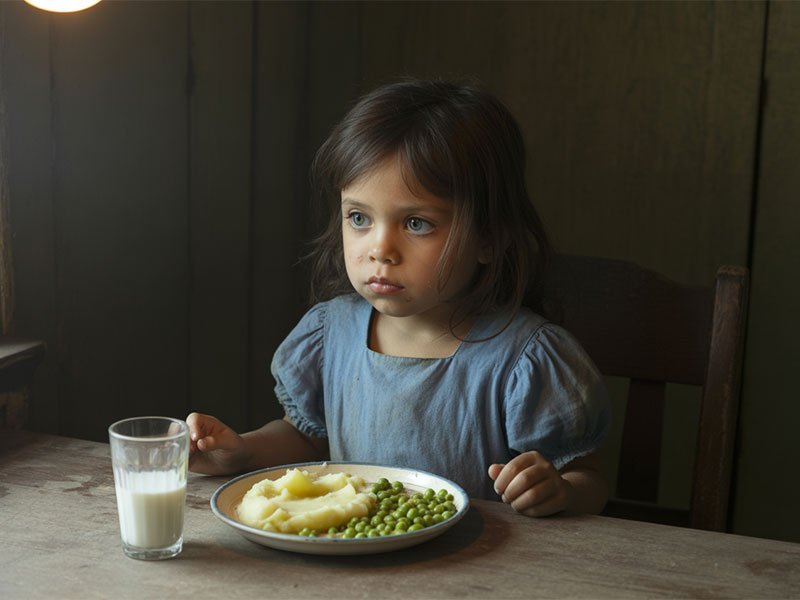
A friend noticed her daughter skipping meals and hiding food. Later, it was revealed she was battling anxiety from mistreatment.
8. Overly Secretive Behavior
Locking doors, hiding phones, or avoiding questions may indicate she is protecting herself—or hiding pain.

One colleague said her teenage daughter would never leave her phone unlocked. It turned out she was hiding threatening messages.
9. Low Self-Esteem and Negative Self-Talk
If she calls herself “ugly” or “worthless,” it may be abuse breaking her confidence.
I once counseled a student who constantly apologized, even for things not her fault. It was heartbreaking to learn why.
10. Reluctance to Talk About Daily Life
When she avoids sharing how her day went or gets defensive, it may mean she’s hiding painful experiences.
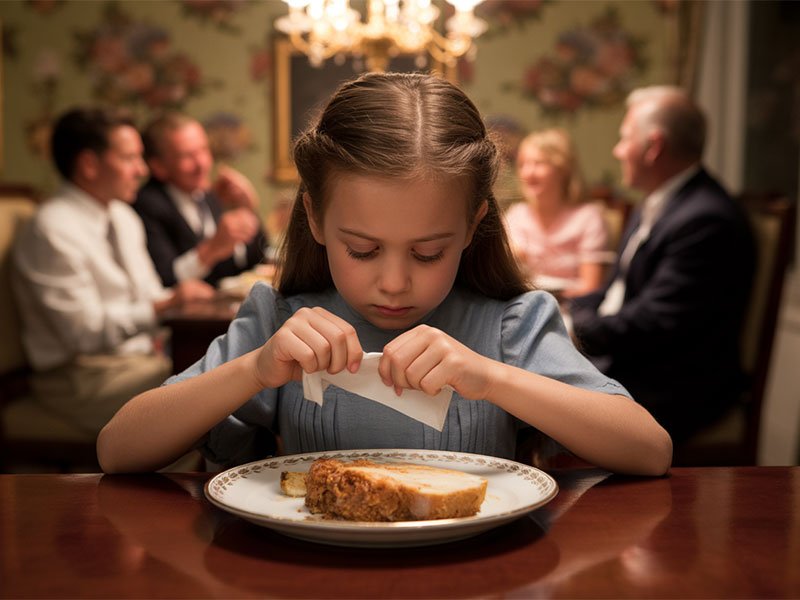
A mother I know said her daughter always brushed off questions with “I’m fine.” Later, they uncovered the truth behind her silence.
How to Help Her
1. Listen Without Judgment
Let her speak freely without interrupting. Show her she’s safe, no matter what she says.
2. Build Trust Slowly
Don’t push her to open up instantly. Gentle conversations and patience can create comfort.
3. Seek Professional Support
Counselors and therapists can help her process trauma in a healthy way.
4. Involve Authorities If Needed
If abuse is confirmed, don’t hesitate to report it. Protection must come first.
5. Create a Safe Environment at Home
Fill her surroundings with love, security, and reassurance so she knows she’s not alone.
Conclusion
Recognizing the signs of abuse is never easy, but ignoring them can cause lifelong scars.
As parents, being observant, patient, and proactive can change everything.
If your daughter is showing any of these warning signs, step in with love, care, and courage.
Helping her heal today means giving her a safer tomorrow.