

Words have power. They can lift someone up—or quietly break their spirit. In many marriages, especially across South Asian families, women carry emotional pain not from loud arguments, but from small, hurtful phrases said again and again.
These words are often spoken in anger, sarcasm, or even “just for fun.” But to the woman hearing them, they feel like tiny cuts on the heart. No one may see the damage—but it’s there. And it builds over time.
Some of these phrases attack her family, her efforts, or her emotions. Others make her feel unwanted, unvalued, or less than enough. She may smile and stay silent—but inside, she’s hurting. One careless sentence can echo for years.
That’s why every husband must choose his words with care—especially in front of others. Because the wrong words don’t just hurt her—they slowly destroy the trust and love in a marriage.
Here are 7 deeply hurtful phrases no husband should ever say to his wife—and why avoiding them protects not just her heart, but the entire relationship.
1. “You Belong to a Low Family”
This is one of the most hurtful things a husband can say to his wife. It doesn’t just insult her—it insults her parents, her upbringing, and her dignity. Comparing her family to yours or looking down on her background makes her feel small and unwanted. Home should be a place of love, not shame.
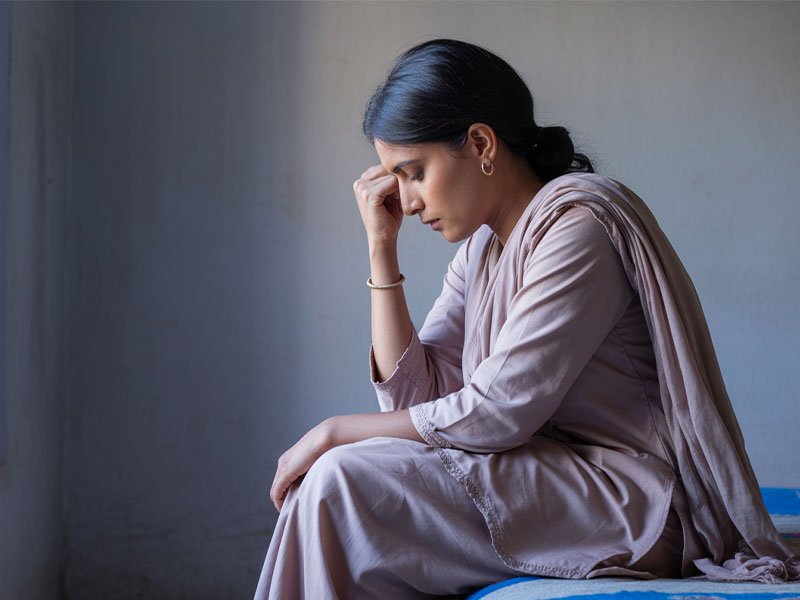
This kind of comment causes deep pain. It creates distance in the marriage and builds silent resentment. When you attack her roots, you’re also attacking her confidence.
This happened to me once.We had a small argument, and he suddenly said, “You people are not like us. Your family is below our standard.”
I was shocked. I couldn’t speak. I had always respected his family—but in that moment, I felt I didn’t belong. It took me weeks to feel okay again, but the words still echo in my heart. Words like these damage self-esteem. A woman never forgets being looked down upon for where she came from. In many South Asian households, this is said casually—but it leaves permanent scars.
2. “You’re Eating This for the First Time in Our House, Right?”
This may sound like a light joke—but it carries a sharp edge. It makes her feel like she came from a poor or uncultured background. It’s a way of saying, “You didn’t have good things before marriage.” This makes her feel small, embarrassed, and out of place—especially in front of others.
Even if the food is new to her, reminding her in this way makes her feel like an outsider. It doesn’t make her feel part of the family—it separates her from it.
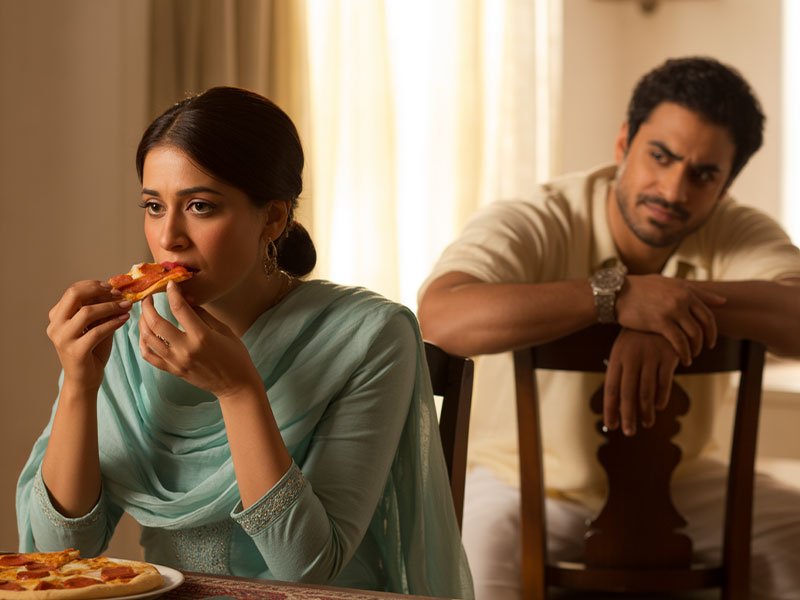
My friend Hira experienced this once. Her husband served a fancy dessert and said,
“You’ve never eaten this before, right? We don’t make such things in your kind of home.”
Everyone laughed. She forced a smile, but later told me, “I felt humiliated. As if I was from some backward place.” It took her months to feel comfortable at the dinner table again. In our culture, it’s common to tease like this—but for her, it’s not a joke—it’s a wound.
3. “You Got Healthy Because You Finally Got Proper Food Here”
This phrase may sound kind—but it’s actually very hurtful. It suggests that before marriage, she wasn’t cared for or fed properly. It makes her feel like her parents didn’t do enough for her. It insults her past, her upbringing, and the home where she was loved.
Even if said jokingly, it’s a backhanded comment. It sounds like praise, but it brings shame.
This happened to my aunt. She had gained a little weight after marriage—like many do when they settle into a new routine. One day, her husband said in front of others: “Looks like you’re finally getting proper food here. You were all skin and bones back at your house.”
Everyone laughed. But my aunt went quiet. Later, she told my mother:
“I felt like he erased everything my parents did for me with one sentence.”
In South Asian homes, food is love—and remarks like this don’t just touch her body, they touch her soul.
4. “You Don’t Know How to Do Anything Right”
This is a phrase that can destroy confidence in seconds. It attacks her self-worth, especially when she’s trying her best. Whether it’s a slightly burnt meal or a forgotten chore—this sentence makes her feel like a complete failure.
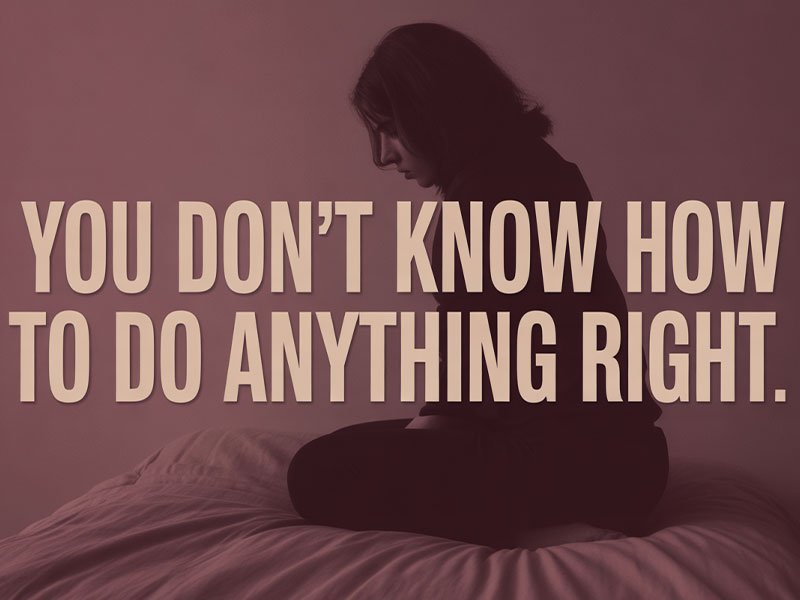
Even if it’s said in anger, she carries those words for days. They don’t correct her—they crush her.
My friend Sadia went through this often. She once told me: “I was new to his home and still learning how things work. One day, I made tea and forgot to add sugar. He looked at me and said, ‘You can’t do anything properly, can you?’ I laughed it off—but later, I cried in the bathroom. I felt like a burden in a place I was supposed to call home.” In many South Asian families, husbands think correcting means criticizing—but it can destroy her sense of belonging.
5. “Why Can’t You Be Like My Mother?”
This phrase may seem harmless, but it deeply wounds a woman’s heart. Comparing your wife to your mother creates competition where there should be love. Every woman has her own way of doing things. Expecting her to cook, speak, or behave like your mother is unfair—and emotionally exhausting.
She didn’t marry you to copy someone else. She married you to build a life together with her own touch, her own style.
My friend Hina once told me: “He said, ‘My mom never made roti like this.’ I felt like I failed as a wife, even though I was trying so hard.”
She cried quietly in the kitchen that day—and never made that dish again. One sentence made her feel like a disappointment, even though she was doing her best every single day.
In many South Asian homes, mothers-in-law are praised while wives are silently expected to meet their standards—but that’s not love, it’s pressure.
6. “You’ve Changed After Marriage”
Yes, she has changed—and she had to. Marriage brings a new home, new people, new routines, and often a new city or country. She left behind her comfort, her family, and even parts of her personality to fit into your world. Telling her she’s “changed” ignores all that she’s been through.
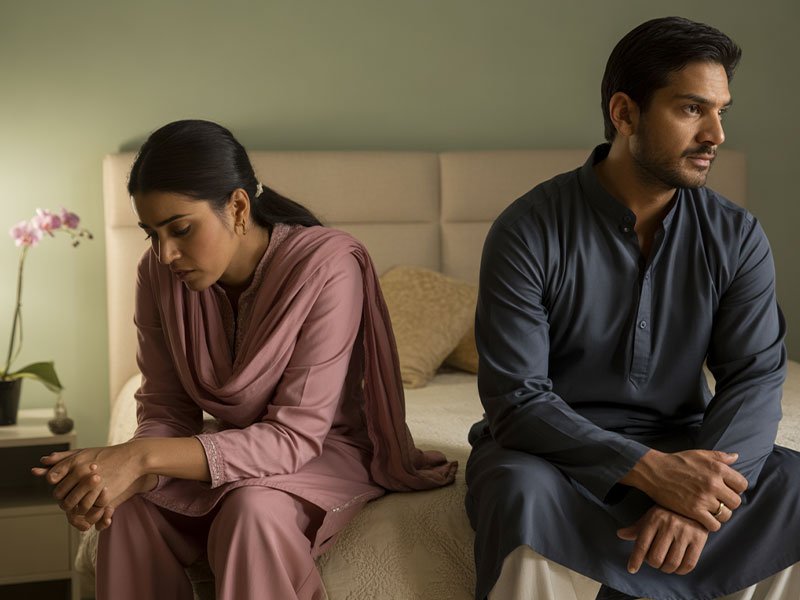
What seems like mood swings or distance might actually be emotional fatigue. What seems like “coldness” might just be her missing her old life silently. In cultures like ours, women are taught to adjust. But when they do, and are still criticized, it breaks them from the inside.
7. “It’s Not a Big Deal, Stop Overreacting”
This phrase might be one of the most damaging. When a woman is upset and her feelings are dismissed as “drama,” she stops expressing them. She learns that her pain doesn’t matter. She stays quiet—not because she’s calm, but because she’s emotionally shut down.
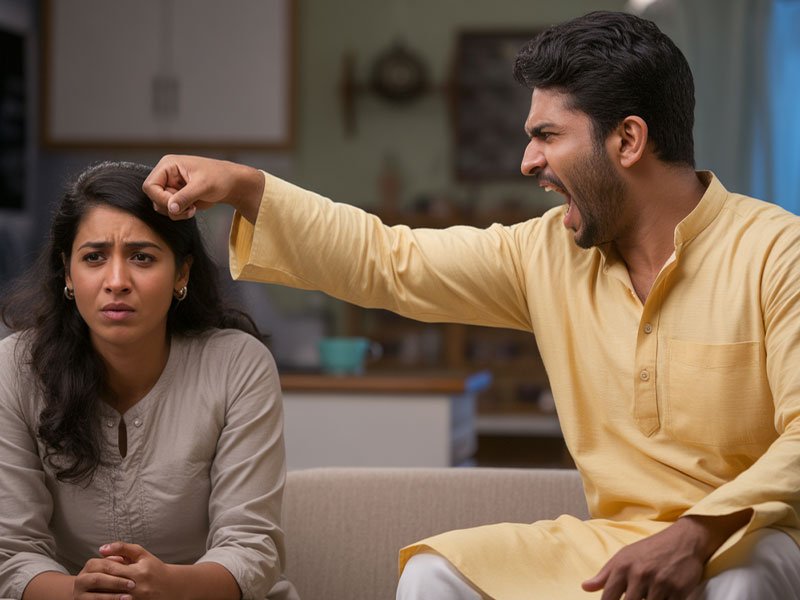
My friend Sarah told me:“I was upset about something and he said, ‘You always cry for nothing.’ After that, I stopped sharing. What’s the point when your pain is treated like drama?”
She told me she felt stupid, like her emotions weren’t valid. That’s when she started bottling everything up—and the emotional distance grew. In South Asian families, women are expected to be strong—but strength doesn’t mean silence.
Conclusion
A wife may forgive mistakes—but she never forgets words that broke her spirit. The wrong sentence, spoken casually or in anger, can stay in her heart for years. In many South Asian marriages, women silently carry emotional pain, not from actions—but from words they were too hurt to respond to. Marriage is not just about responsibilities—it’s about emotional safety. A husband’s words can either be her comfort or her deepest wound. Choose them wisely. Because the woman who left everything to build a life with you deserves love, not labels.
She deserves to feel valued, heard, and safe—not just in your home, but in your words too.