
If you love bold flavors but still crave comfort food, this Gochujang Pasta Recipe is about to become one of your favorite meals. It brings together the deep, spicy-sweet taste of Korean gochujang with the creamy, satisfying texture of pasta. The result is a fusion dish that feels indulgent yet easy enough to make on a busy weeknight.
This recipe is perfect for home cooks who enjoy trying different pasta dishes without complicated steps or hard-to-find ingredients. It’s rich, cozy, and packed with flavor—exactly the kind of meal that feels special but doesn’t require hours in the kitchen.
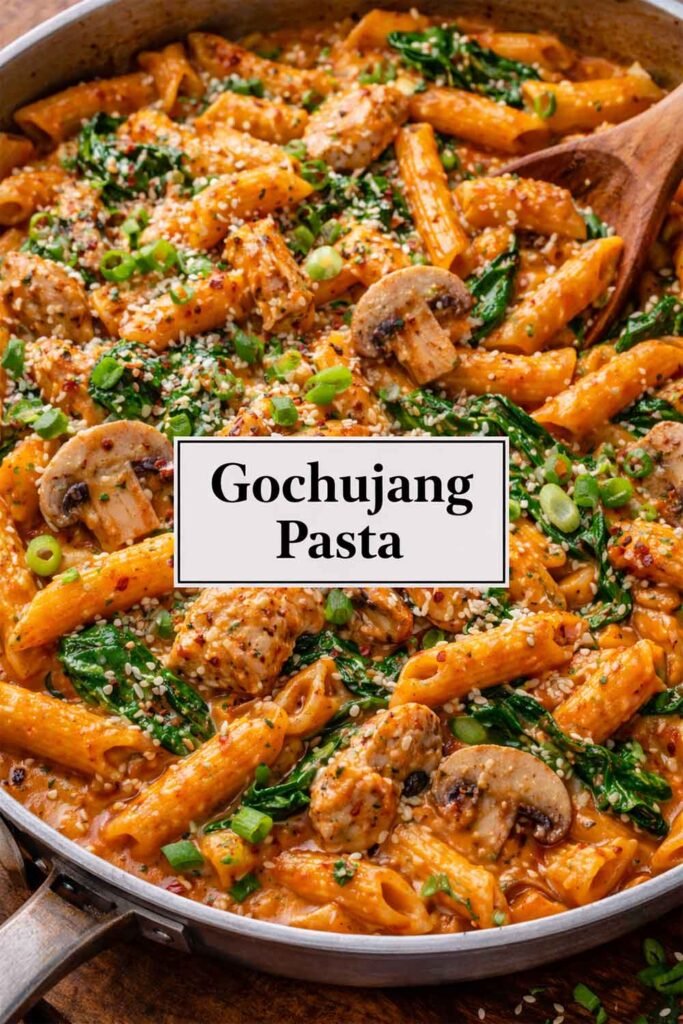
Why Gochujang Pasta Is So Popular
Gochujang pasta has become popular because it blends two comfort food cultures into one bowl. Gochujang adds depth, spice, and umami, while pasta delivers familiarity and comfort. Together, they create a dish that feels exciting but still approachable.
For anyone looking for foreign food recipes easy enough to try at home, this recipe is a great starting point. It doesn’t require advanced cooking skills, yet the flavor profile feels restaurant-worthy.
A Comfort Meal With a Modern Twist
This dish fits beautifully into the category of comfort recipes dinners. The creamy sauce coats every strand of pasta, while the gochujang brings warmth rather than overwhelming heat. It’s filling, satisfying, and perfect for evenings when you want something cozy but not boring.
It’s also one of those big recipes that feels impressive when served, whether you’re cooking for family, guests, or just yourself.
Ingredients You’ll Need for Gochujang Pasta

Using fresh, simple ingredients makes all the difference in this recipe. Each component plays a role in balancing spice, creaminess, and texture.
Main Ingredients
- Pasta (penne, fettuccine, or spaghetti work best)
- Gochujang (Korean chili paste)
- Heavy cream or cooking cream
- Olive oil or butter
- Garlic, finely minced
- Onion or shallot, finely chopped
Flavor Boosters
- Soy sauce
- Brown sugar or honey
- Chili flakes (optional, for extra heat)
- Black pepper
Optional Add-Ins
- Mushrooms, sliced
- Chicken, shrimp, or tofu
- Spinach or scallions
- Parmesan cheese or mozzarella
These ingredients make the dish adaptable, which is why it works so well for easy at home dinner ideas when you want flexibility.
Choosing the Right Pasta
While this recipe works with many pasta shapes, short pasta like penne or rigatoni holds the sauce beautifully. Long pasta like spaghetti or fettuccine gives a more elegant, creamy finish.
This adaptability is one reason gochujang pasta fits well into pasta recipes Asian-inspired, blending flavors while still respecting classic pasta textures.
How to Make Gochujang Pasta (Step-by-Step)
Step 1: Cook the Pasta
Bring a large pot of salted water to a boil and cook the pasta according to package instructions until al dente. Reserve about one cup of pasta water before draining. This starchy water will help loosen and bind the sauce later.
Cooking the pasta first ensures everything comes together smoothly without rushing.
Step 2: Sauté the Aromatics
Heat olive oil or butter in a large pan over medium heat. Add the chopped onion or shallot and cook until soft and translucent. Stir in the minced garlic and cook for about 30 seconds until fragrant.
This step builds the foundation of flavor, giving the sauce depth before adding the gochujang.
Step 3: Build the Gochujang Sauce

Lower the heat slightly and add gochujang to the pan. Stir it gently into the aromatics and let it cook for one minute to mellow its raw edge. Add soy sauce and a touch of brown sugar or honey to balance the spice.
Slowly pour in the cream, stirring continuously until the sauce becomes smooth and velvety.
Step 4: Combine Pasta and Sauce
Add the cooked pasta directly into the pan with the sauce. Toss well to coat every piece evenly. If the sauce feels too thick, add a splash of reserved pasta water until you reach your desired consistency.
This step is where everything comes together, creating a silky, cohesive dish.
Step 5: Finish and Garnish
Season with black pepper and chili flakes if using. Add optional ingredients like cooked chicken, shrimp, or mushrooms at this stage. Finish with grated cheese or fresh scallions for added flavor and texture.
Serve immediately while hot and creamy.
Serving Ideas and Variations
This dish is incredibly versatile. You can enjoy it as a main meal or pair it with a simple salad or garlic bread. It’s also great as leftovers, reheating well with a splash of milk or cream.
Because it’s not overly saucy or messy, it works well for easy portable dinners, especially if packed in an airtight container.
Making It Vegetarian or Protein-Packed
To keep it vegetarian, simply load it up with mushrooms, spinach, or zucchini. For extra protein, chicken and shrimp pair beautifully with the spicy sauce. Tofu also absorbs the flavors well, making it a great plant-based option.
This adaptability makes it a smart choice for easy dinner recipes Korean-inspired without being traditional or complicated.
Why This Dish Is Easy to Eat and Enjoy
The creamy texture and balanced spice make this dish smooth and satisfying. There are no overpowering flavors or difficult textures, which is why it falls into the category of easy to eat food that appeals to many palates.
Even those new to Korean flavors often find gochujang pasta approachable and comforting.
A Fresh Take on Pasta Night
If you’re tired of red sauce or Alfredo, this recipe offers something new without being intimidating. It introduces Korean flavors in a familiar format, making it ideal for anyone exploring pasta recipes Asian with confidence.
It’s a fun way to break routine while still keeping dinner stress-free.
Final Thoughts
This Gochujang Pasta Recipe is the perfect balance of spicy, creamy, and comforting. It’s easy enough for busy nights, flexible for different diets, and flavorful enough to feel special. Whether you’re cooking for yourself or sharing with loved ones, this dish proves that fusion food can be simple, satisfying, and unforgettable.
Once you try it, gochujang pasta may just earn a permanent spot in your weekly rotation.

Gochujang Pasta Recipe
Ingredients
Method
- Bring a large pot of salted water to a boil and cook the pasta until al dente. Reserve one by four cup pasta water, then drain the pasta.
- Heat olive oil or butter in a large pan over medium heat. Add the chopped onion and cook until soft and translucent, then stir in the garlic and cook briefly until fragrant.
- Lower the heat and add the gochujang. Stir well and cook for about one minute, then add soy sauce and brown sugar or honey and mix until combined.
- Pour in the heavy cream and stir continuously until the sauce becomes smooth and creamy.
- Add the cooked pasta to the sauce and toss until evenly coated, adding reserved pasta water a little at a time if needed to loosen the sauce.
- Season with black pepper and chili flakes if using. Remove from heat, garnish with Parmesan cheese and green onions, and serve warm.
Notes
- Short pasta like penne holds the sauce well, while long pasta gives a smoother texture
- For protein, add cooked chicken, shrimp, or tofu during the final step
- Mushrooms or spinach work well for a vegetarian version
- Leftovers reheat best with a splash of milk or cream to restore the sauce texture