

Have you ever loved someone so deeply, yet felt like you were constantly walking through their old wounds?
Have you ever held someone close, only to feel them emotionally pull away… not because of you, but because of what someone else did?
Have you ever asked yourself, “Why do they push me away when all I want is to love them right?”
Loving someone with relationship trauma is both beautiful and heartbreaking. You see the softness in them—hidden beneath layers of fear, caution, and old memories. You want to be their safe place, yet some days it feels like you’re fighting battles you didn’t cause.
This blog shares 7 hard realities you’ll face when loving someone with relationship trauma—written simply, warmly, and honestly. And still, despite the challenges, you’ll discover why this love can be worth every patient step.
Their Past Shows Up Even When You Didn’t Invite It
People with relationship trauma don’t choose to remember the hurt—it just shows up.
You might see panic over small misunderstandings, fear in moments where trust should be natural, or emotional distance during times that should feel close.

It’s not about you.
It’s about an old wound reopening without warning.
The best thing you can do is stay calm and steady. Healing is slow, but your consistency is powerful.
They Overthink Everything—Even the Good Moments
Trauma trains the mind to expect danger, even when there isn’t any. So if you show love, they might question it. If you give them space, they might wonder if you’re losing interest.
My colleague once dated someone who panicked whenever he didn’t text back quickly. She wasn’t clingy—she was scared. She told him, “Silence never meant peace for me in the past.”
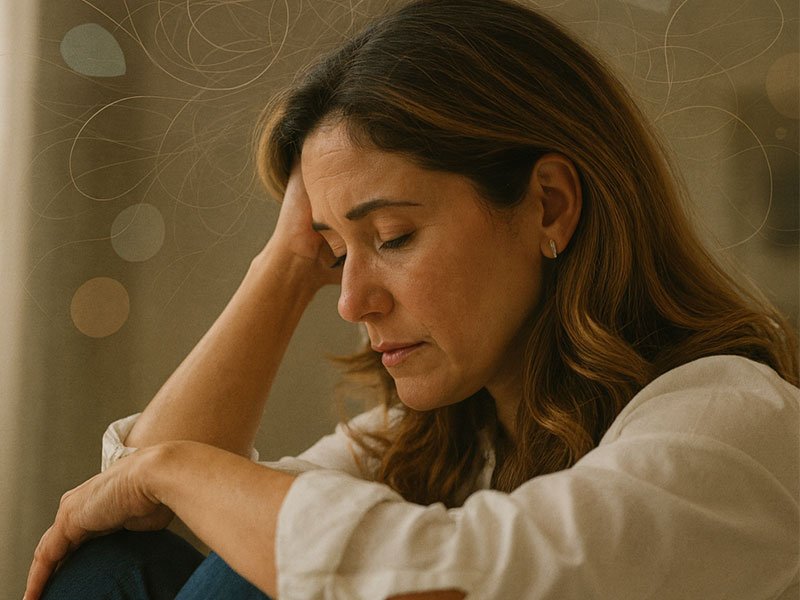
Your reassurance becomes medicine.
Repetition becomes comfort.
They Need More Patience Than You Think
They’re not slow to love—they’re slow to trust their heart again. Healing doesn’t follow a timeline. Some days they’ll look healed, and the next day the past will crash into them again.
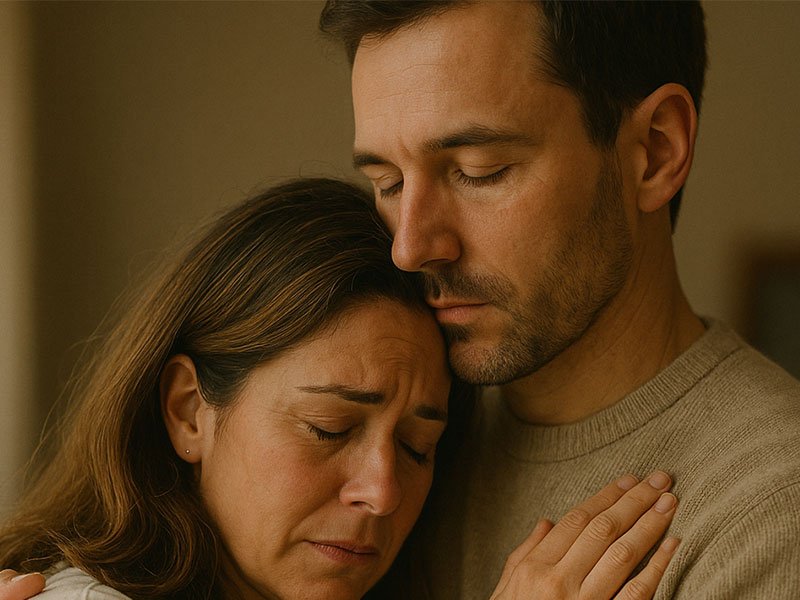
My cousin once said something unforgettable about dating someone healing from trauma:
“You don’t heal people by rushing them. You heal them by staying when they shake.”
Patience isn’t just kindness; it’s love in action.
They Sometimes Push You Away to See If You’ll Stay
This is one of the hardest parts.
People with trauma often test the safety of a relationship without even realizing it. They might shut down emotionally, become distant, or avoid intimacy.
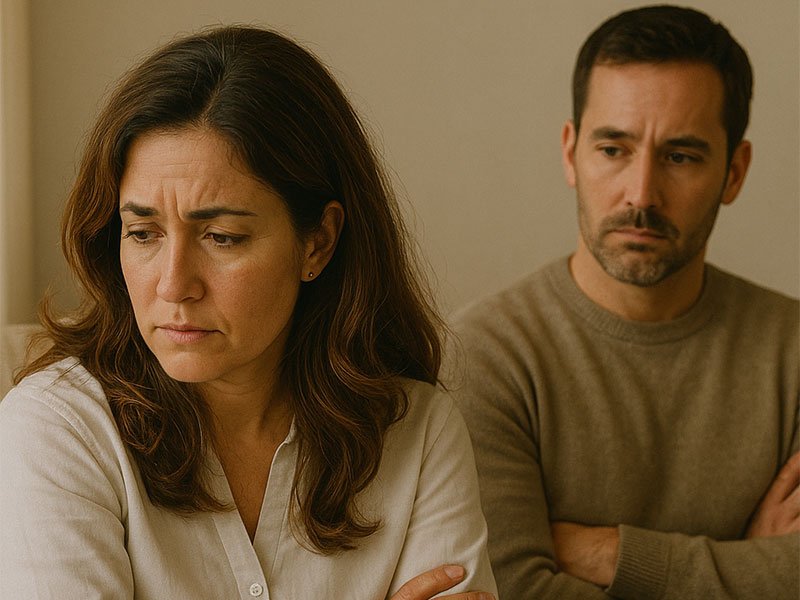
One of my friends used to break up with his partner over small issues—not because he wanted to leave, but because he feared being abandoned first. His partner once told him, “I’m not your past. Stop fighting.”
If they push you away, don’t take it personally.
But also, don’t let the relationship become emotionally one-sided.
They Might Struggle to Believe They Deserve Good Love
Trauma often leaves a silent message: “You’re not worthy.”
Even when you treat them with love, they may feel guilty receiving it or scared they’ll ruin it.
Your job isn’t to convince them—they must learn to believe it themselves.
Your role is to support their process, not carry their whole healing.
Sometimes they’ll shrink away from affection simply because it feels unfamiliar, not unwanted.
They may question your intentions, not out of doubt in you, but doubt in their own worth.
And with time, your consistency can help them slowly rewrite the story they’ve carried for years.
You’ll Learn That Triggers Are Real—and They’re Not Dramatic
A certain tone of voice, a delayed reply, an argument—even a small one—can send them spiraling. Triggers aren’t chosen, and they’re not attention-seeking behavior.
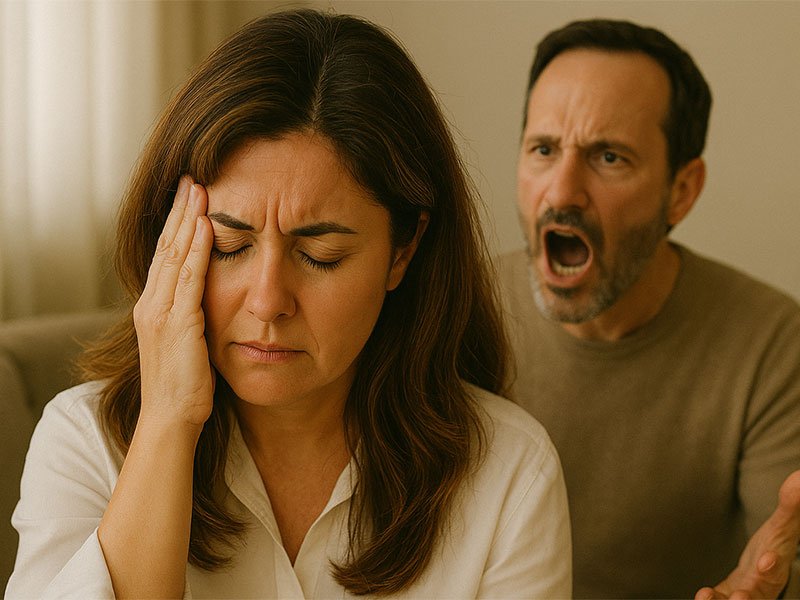
I once saw a friend freeze completely just because someone raised their voice slightly. She wasn’t overreacting; she was reliving something her heart wasn’t ready for.
Triggers don’t mean they don’t love you—they mean they’re fighting memories you can’t see.
Loving Them Requires Emotional Strength—But It Gives a Different Kind of Love Back
This kind of love isn’t easy.
It asks for patience on their hard days, understanding when fear takes over, and calmness when they shut down.
But through it all, you grow—emotionally, mentally, and spiritually. You learn to love gently, listen fully, and stay without trying to fix everything.
And when someone with trauma finally feels safe with you, it becomes a rare, soul-deep experience.
Their love isn’t loud.
It’s honest, Soft, and real.
Conclusion
Loving someone with relationship trauma is not a simple journey—it’s a slow process.
You’re loving a heart that has been shaken, reshaped, and guarded by past pain. But with patience, gentleness, and healthy boundaries, you can become a safe space where healing begins to feel possible again.
Remember, you’re not responsible for fixing their past, and they’re not defined by it either. What truly matters is the willingness to grow together—step by step, moment by moment.
If you choose to love someone with trauma, do it with empathy, honesty, and clarity—and you may witness one of the most beautiful transformations a relationship can hold.