
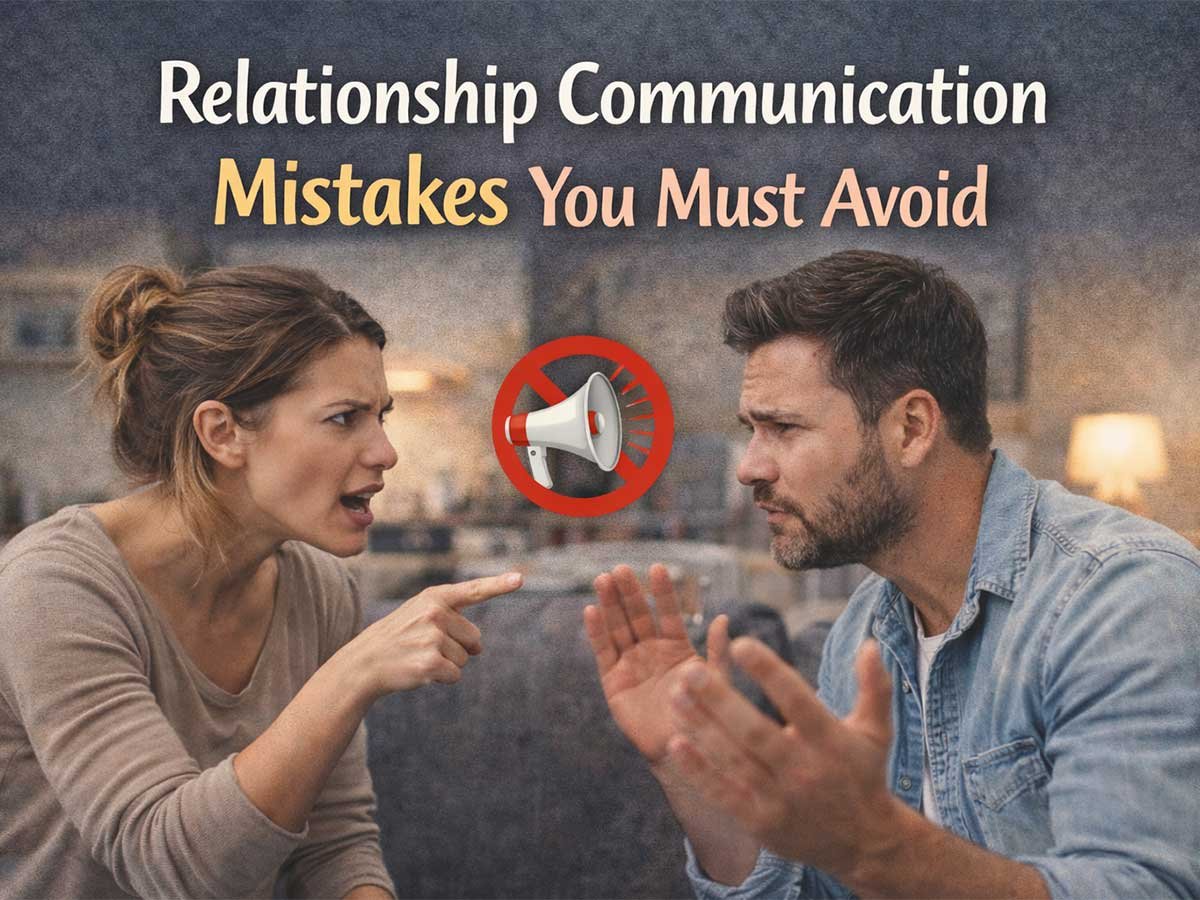
Good communication is the backbone of every healthy relationship. Yet many people don’t realize how easily communication turns into the quiet destroyer of love, trust, and emotional closeness.
When conversations leave you feeling misunderstood, frustrated, or emotionally distant, it’s a warning sign. Most relationships don’t fail because love disappears.
They fail because partners keep hurting each other through poor communication without meaning to. Over the years, I’ve seen many couples damage strong relationships simply by “speaking their truth” without care.
To help you protect your connection, here are 10 relationship communication mistakes you must avoid if you want lasting love.
Assuming Your Partner Can Read Your Mind
One of the most damaging communication habits is expecting your partner to automatically know how you feel. You may assume that your silence, facial expressions, or mood changes are obvious clues. But most partners genuinely miss these signals.
This leads you to feel ignored while they feel confused. Over time, this creates emotional distance and resentment. Healthy relationships depend on clear words, not silent expectations. If you want to be understood, you must speak up gently and honestly.
Talking Only When You’re Already Angry
Many people avoid speaking until they reach their emotional limit. They hold in frustration, disappointment, and hurt until everything explodes during an argument. When emotions run high, communication becomes reactive and harmful.
The goal shifts from understanding to winning. This pattern slowly erodes trust and emotional safety. Healthy communication happens early, before emotions boil over. Regular calm conversations prevent anger from turning into emotional damage.
Using Blame Instead of Explaining Feelings
Blame is one of the fastest ways to shut down communication. Statements like “You always mess up” or “You never listen” feel like personal attacks. Instead of hearing your feelings, your partner hears criticism and becomes defensive.
This blocks connection completely. Expressing your emotions without blame invites empathy. Saying how you feel rather than pointing fingers keeps conversations safe and productive.
Interrupting Instead of Listening
Interrupting may seem harmless, but it deeply affects emotional connection. When you cut your partner off, they feel unheard and unimportant.

Even if you disagree, they need to feel listened to. Real listening shows respect and care. It allows your partner to feel emotionally safe. When people feel heard, they are more open, calmer, and willing to understand your side too.
Bringing Up Old Issues During New Arguments
Revisiting past mistakes during new conflicts creates emotional chaos. It turns one problem into a long list of unresolved pain. Your partner feels judged for things they thought were already resolved.
This destroys trust and prevents healing. Healthy communication focuses on the present issue only. Letting go of the past allows growth. Repeating old wounds keeps both partners stuck emotionally.
Using Silence as Punishment
The silent treatment may feel like self-protection, but it often causes emotional harm. When one partner shuts down, the other feels rejected and anxious.
Silence used as punishment creates fear and confusion. While taking space is healthy, disappearing emotionally is not. Clear communication about needing time builds safety. Silence should calm situations, not create emotional pain.
Expecting Immediate Understanding or Change
After opening up, many people expect their partner to instantly understand and change. When that doesn’t happen, frustration and disappointment grow.
But emotional processing takes time. Most people need space to reflect and adjust. Pressuring your partner creates resistance rather than growth. Patience shows emotional maturity. Change happens gradually when people feel respected, not rushed.
Talking to Win Instead of to Understand
When conversations turn into arguments to be won, emotional connection disappears. The focus shifts from solving problems to proving who is right.
This creates emotional distance and resentment. Relationships are not competitions. Partners are meant to work together, not against each other. Understanding strengthens love. Winning an argument weakens it.
Dismissing Your Partner’s Feelings
Dismissing emotions causes deep emotional wounds. Statements like “You’re overreacting” or “It’s not that serious” make your partner feel invalidated.
Even if you don’t understand their reaction, their feelings are real to them. Validation doesn’t mean agreement. It means respect. When people feel emotionally acknowledged, communication becomes easier and more honest.
Avoiding Hard Conversations Altogether
Avoiding difficult conversations may feel safe at first, but it creates long-term damage. Problems don’t disappear when ignored. They turn into emotional distance and silent resentment. Healthy relationships require courage and honesty.
Hard conversations, when handled calmly, build trust. Avoidance weakens relationships, while open communication strengthens them.
Conclusion
Healthy communication isn’t about being perfect. It’s about being aware, respectful, and emotionally present. You don’t need to fix everything at once.
Start by changing one habit. Small improvements create powerful shifts. When communication becomes safe and honest, love feels easier, stronger, and more secure.
1 thought on “10 Relationship Communication Mistakes You Must Avoid”