

Is love supposed to feel like walking on eggshells around the person who’s meant to protect your heart?
Control in a relationship can be subtle at first—masked as care, concern, or “just looking out for you.” But over time, it chips away at your confidence, freedom, and identity.
As someone who has seen friends lose themselves in controlling relationships, and as a writer who has studied the psychology behind them, I can tell you this: real love never needs control—only trust.
Here are 8 clear signs he’s trying to control you and how recognizing them can help you take back your power.
1. He Constantly Criticizes You
Frequent criticism disguised as “helping you improve” is often a control tactic. It chips away at your confidence and makes you depend on his approval instead of trusting your own judgment.
A friend of mine was told daily how to dress, talk, and even laugh—eventually, she stopped making any decisions without checking with him. If you feel like nothing you do is ever good enough, it’s a red flag.
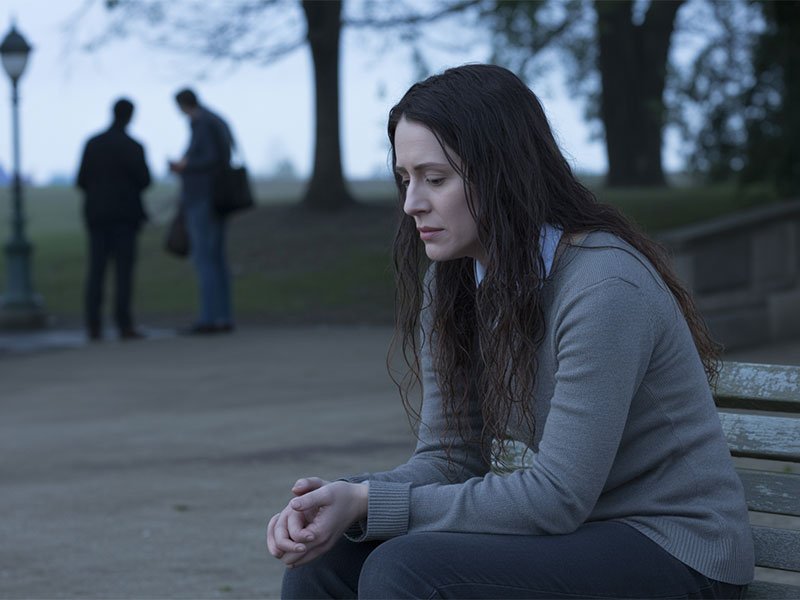
Relationship experts warn that constant criticism isn’t about helping you grow—it’s about lowering your self-esteem so you stop challenging his behavior. Over time, this pattern can make you second-guess even your strengths, leaving you emotionally exhausted and isolated.
Healthy partners uplift and encourage you. If his words consistently make you feel smaller, not stronger, it’s not love—it’s control in disguise.
2. He Isolates You from Others
One of the clearest signs of control is when he tries to cut you off from friends, family, or anyone who supports you. At first, it may sound like love—“I just want you all to myself”—but over time, it leaves you feeling lonely and dependent on him alone.
A reader once shared how her partner guilted her every time she visited her mom, claiming she was “choosing them over him.” Slowly, she stopped meeting friends, stopped answering family calls, and lost her entire support system.

Psychologists warn that isolation is a classic control tactic—it removes outside voices that could give you clarity or confidence to leave. The less support you have, the more trapped you feel, and that’s exactly how controlling partners maintain power.
Healthy love doesn’t shrink your world—it expands it. If he’s pulling you away from people who care about you, it’s not affection, it’s control.
3. He Monitors Your Every Move
If he constantly needs to know where you are, who you’re with, or demands access to your phone and social media, it’s not love—it’s control disguised as concern. What may seem protective at first quickly becomes suffocating.
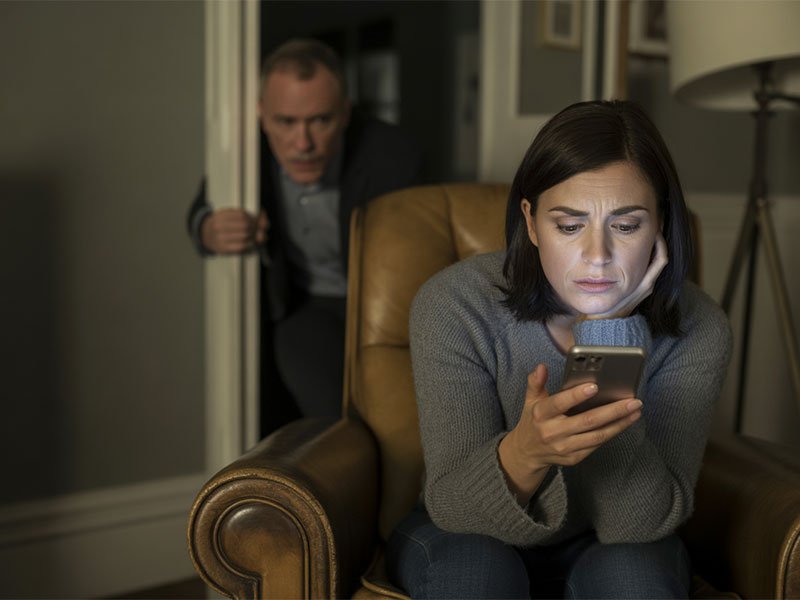
One colleague told me her partner insisted on knowing her exact location at all times. At first, she thought it meant he cared deeply—but soon it felt like surveillance, not love. She stopped going anywhere without explaining every detail just to avoid conflict.
Relationship counselors emphasize that trust is the foundation of any healthy bond. Monitoring, tracking, or policing your movements signals a deep lack of trust—and an attempt to control your autonomy. It erodes your privacy and convinces you you’ve done something wrong even when you haven’t.
Real love trusts your freedom. If he treats your independence like a threat, it’s a clear warning sign of control.
4. He Makes All the Decisions
When one person always decides where you go, what you wear, or how you spend money, it’s no longer partnership—it’s control. Taking away your right to choose slowly erodes your independence and confidence.
My cousin once realized she hadn’t made a single decision for herself in months. From choosing meals to making career plans, everything was dictated by her partner. Over time, she stopped trusting her own judgment and felt like a guest in her own life.
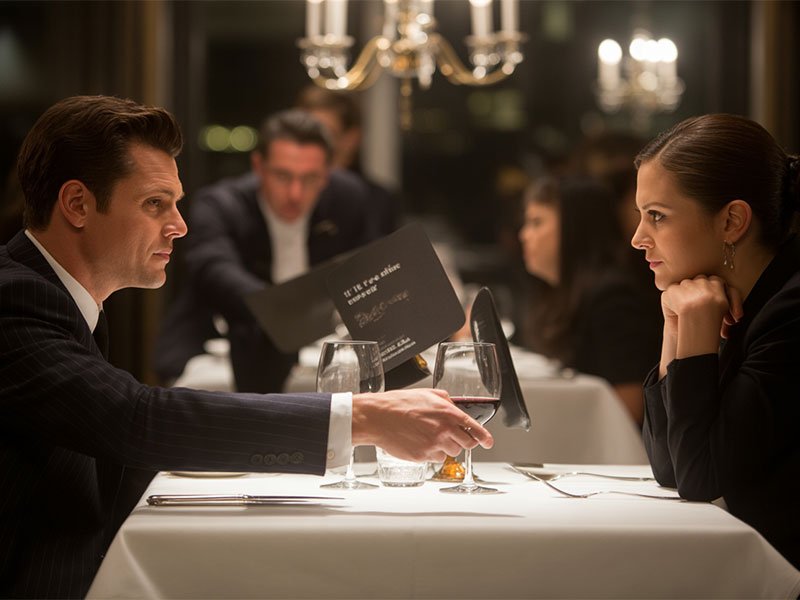
Experts in relationship psychology note that controlling partners often make all decisions to establish dominance and create dependency. This power imbalance makes you feel incapable of functioning without their input, which is exactly how control thrives.
Healthy relationships are built on collaboration and mutual respect. If he constantly overrules or dismisses your choices, he’s not leading—he’s controlling.
5. He Uses Guilt to Manipulate You
Guilt is one of the most subtle yet powerful control tools. If he constantly makes you feel selfish for needing space, or accuses you of not loving him enough whenever you say “no,” he’s using emotional pressure to keep control.
I went through this myself—every time I wanted an evening to recharge, I was told I was “abandoning” him. Over time, I started sacrificing my own needs just to keep the peace, and it left me feeling drained and resentful.

Therapists warn that guilt-tripping creates a cycle where you feel responsible for his emotions, even when you’ve done nothing wrong. This emotional manipulation chips away at your self-worth and keeps you trapped, thinking you owe him your constant attention.
Real love respects your boundaries. If he uses guilt to make you comply, it’s not care—it’s control wrapped in emotional blackmail.
6. He Dismisses Your Feelings
If your emotions are constantly brushed off, mocked, or labeled as “overreacting,” it’s a serious red flag. Dismissing your feelings is a way to silence you and maintain control, making you question your own emotional reality.
One of my close friends was told she was “too sensitive” every time she expressed hurt. Eventually, she stopped speaking up altogether, fearing she’d just be ridiculed again. That silence made her feel invisible in her own relationship.
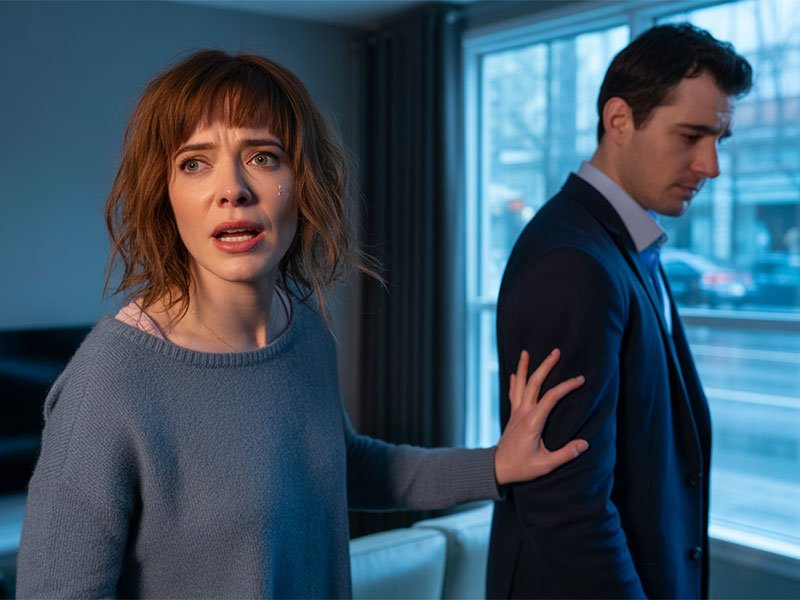
Relationship experts warn that emotional invalidation erodes your self-trust. When someone constantly denies your feelings, you begin to doubt your instincts and stay in situations that hurt you. This is exactly how control takes root—by convincing you that your voice doesn’t matter.
Healthy love listens, even when it disagrees. If he makes you feel foolish for having emotions, he’s not loving you—he’s controlling you.
7. He Makes You Fear His Reactions
If you find yourself walking on eggshells, carefully choosing your words to avoid upsetting him, that’s not love—it’s control through fear. A healthy relationship should feel safe, not stressful.
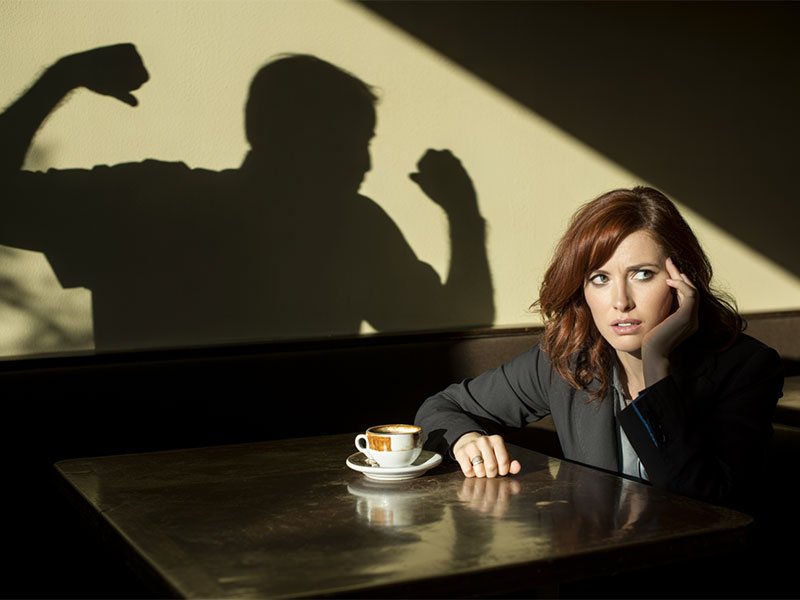
A reader once told me she rehearsed every sentence in her head before speaking, just to avoid triggering his anger. Over time, she stopped sharing her thoughts altogether and felt like she was disappearing inside her own life.
Psychologists caution that fear-based dynamics are a hallmark of emotionally abusive relationships. When you fear his moods or temper, you start suppressing your needs to keep the peace—and that’s exactly how control tightens its grip.
Real love doesn’t require fear to function. If your honesty feels dangerous, it’s a clear sign the relationship has crossed into controlling territory.
8. He Tries to Change Who You Are
If he criticizes your style, hobbies, career goals, or dreams—and tries to mold you into someone else—it’s not love, it’s control. Real love embraces who you are, not who someone wants you to become.
My best friend once gave up her passion for painting because her partner called it “a waste of time.” Years later, she admitted she no longer recognized herself—she had shaped her entire identity around his approval.

Experts warn that trying to change a partner’s core personality is a key control tactic. It slowly convinces you that your authentic self isn’t enough, pushing you to abandon the very qualities that make you unique.
Healthy relationships celebrate individuality. If he’s trying to rewrite who you are, he’s not loving you—he’s controlling you.
Conclusion
Control doesn’t arrive with shouting or threats—it often walks in quietly, disguised as care, concern, or love. But love should never shrink you, silence you, or make you fear being yourself. If these signs feel familiar, it’s not because you’re “too sensitive” or “too difficult”—it’s because your intuition is warning you.
I’ve seen friends, clients, and even readers break free from controlling relationships, and the transformation is always the same: they begin to breathe again. They laugh louder, dream bigger, and walk through the world with their head held high.
You deserve that too. You deserve love that respects your voice, celebrates your individuality, and gives you the freedom to grow. Recognizing control is the first brave step toward reclaiming your power—and building a life where you feel safe, seen, and whole.