
You wake up beside him, yet he feels like a stranger. He barely looks at you. Conversations are tense or painfully silent, and even sitting in the same room feels heavy. You start asking yourself the question that hurts the most: Did I do something wrong—or does he actually hate me?
This fear doesn’t come from drama. It comes from feeling emotionally unsafe in your own marriage. The love and warmth you once felt are gone, replaced by distance, irritation, or cold indifference. He snaps over small things, ignores you for days, or treats everyone else kindly—except you.
Here’s the hard truth: hate in marriage isn’t always loud. Sometimes it shows up as silence, contempt, or emotional withdrawal.
In this article, you’ll learn 5 clear warning signs your husband might truly hate you, what they really mean, and real fixes that actually work—so you can finally stop guessing and start protecting yourself.
He Shows Open Contempt Toward You
When a husband truly hates his wife, contempt often replaces respect. This looks like eye-rolling when you speak, sarcastic comments, mocking your opinions, or talking down to you as if you’re stupid or annoying. He may constantly criticize how you talk, think, dress, or handle things—no matter how small.
A real-life example is when you share something important, and instead of listening, he smirks or says, “You’re overreacting again.” Or he laughs at your concerns in front of others. Over time, these moments pile up and make you feel small.
Emotionally, contempt cuts deep because it attacks your worth. You don’t just feel unloved—you feel disrespected. It creates shame, self-doubt, and the painful feeling of being looked down on by the person who promised to cherish you.
What it really means is this: contempt is a sign of unresolved anger and emotional shutdown. When respect is gone, love cannot survive.
Fixes that work:
First, stop tolerating disrespect silently. Calmly but firmly say, “Do not speak to me like that.” Second, stop explaining yourself endlessly—contempt feeds on power imbalance. Third, suggest marriage counseling, because contempt rarely disappears without outside help. If he refuses, you must start protecting your emotional boundaries immediately.
He Is Emotionally Cold and Withholding
Emotional coldness is one of the most confusing signs. He’s not yelling. He’s not insulting you. He’s just… absent. No affection. No interest in your day. No emotional response when you’re upset or excited. It feels like you’re living with a wall.
You might notice he doesn’t ask how you feel anymore. When you cry, he stays silent or walks away. When you try to connect, he gives short answers or looks at his phone.
This hurts deeply because humans need emotional connection to feel safe. Being ignored by your spouse triggers loneliness, anxiety, and the feeling of being unimportant.
What it really means is that he has emotionally checked out. This can come from long-term resentment, unresolved conflict, or emotional burnout—but it’s still serious.
My cousin went through this for years. Her husband wasn’t abusive—just cold. She kept telling herself, “At least he doesn’t yell.” But inside, she felt invisible. Eventually, she realized emotional neglect was slowly destroying her self-worth.
Fixes that work:
First, name the problem directly: “I feel emotionally alone in this marriage.” Second, stop chasing emotional crumbs—pull back and observe his response. Third, invest in your own emotional support system (friends, therapy). Sometimes distance reveals whether he cares enough to re-engage.
He Enjoys Hurting You During Arguments
Arguments are normal. But when your husband seems to enjoy hurting you during fights, that’s a serious red flag. He may bring up your insecurities, past mistakes, or sensitive topics just to wound you. His goal isn’t resolution—it’s winning.
For example, instead of discussing the issue, he says things like, “No wonder no one else would want you,” or “You’re lucky I even stay.” These words stay with you long after the fight ends.
Emotionally, this creates fear and emotional trauma. You start walking on eggshells, afraid to speak up because you know it will be used against you later.
What it really means is that he has lost empathy for your pain. When someone hates another person, their suffering stops mattering.
Fixes that work:
First, stop engaging in fights where he becomes cruel—walk away. Second, set a rule: no personal attacks, or the conversation ends. Third, document patterns privately so you can see the truth clearly. Cruelty in conflict is not normal—and not fixable without serious effort from him.
He Blames You for Everything That Goes Wrong
When your husband hates you, you become the scapegoat. Every problem—his stress, bad mood, failures, or dissatisfaction—somehow becomes your fault. Nothing you do is ever enough or right.
If he’s unhappy at work, it’s because you “stress him out.” If the house feels tense, it’s because of your “attitude.” Even things outside your control get pinned on you.
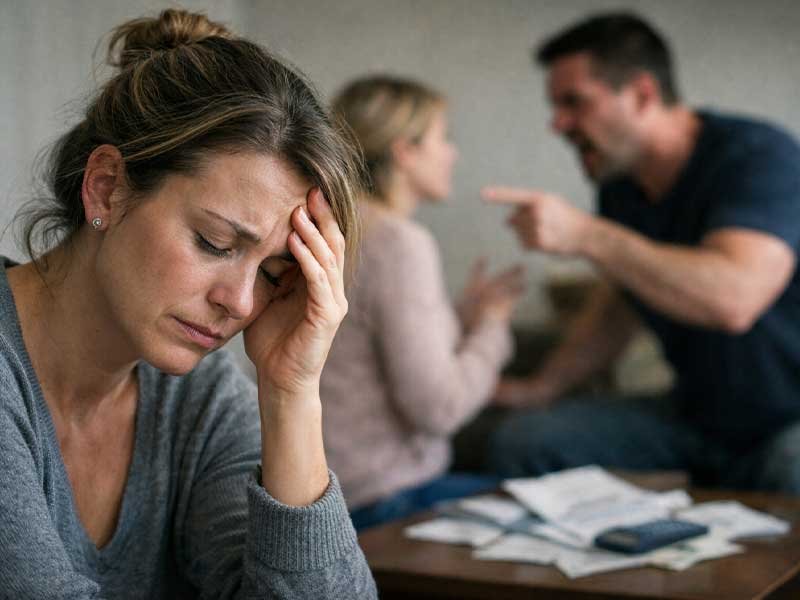
This is emotionally exhausting because you carry guilt that isn’t yours. You start apologizing just to keep peace. Over time, your confidence erodes.
What it really means is that he has externalized his inner anger onto you. Blame becomes easier than self-reflection.
My sister lived this reality. Her husband blamed her for everything—from finances to his health. Once she stopped accepting blame, the dynamic shifted fast. He either had to take responsibility—or face consequences.
Fixes that work:
First, stop over-apologizing. Second, calmly return responsibility: “That’s not mine to carry.” Third, work on detaching emotionally from his blame while strengthening your self-trust. You are not responsible for another adult’s unhappiness.
He Treats You Better When You’re Distant or Silent
One of the clearest signs of hatred is this painful pattern: he treats you better when you emotionally disappear. When you stop asking for love, stop expressing needs, or emotionally shut down, he suddenly becomes calmer—or even nicer.
This trains you to abandon yourself to survive the marriage. You learn that silence equals peace, and honesty equals punishment.
Emotionally, this creates deep confusion and emotional numbness. You lose your voice because using it feels dangerous.
What it really means is that he resents your needs. Your emotions feel like a burden to him, not something he wants to care for.
Fixes that work:
First, recognize this pattern clearly—it’s not love. Second, stop shrinking yourself for comfort. Third, ask yourself the hard question: Is this the kind of marriage I want for the rest of my life? Sometimes clarity, not effort, is the real solution.
Conclusion
If your husband shows contempt, emotional coldness, cruelty, constant blame, or only tolerates you when you’re silent—these are not small issues. They are serious warning signs.
Tonight, do one thing: write down how you truly feel in this marriage without minimizing it. No excuses. No self-blame.
You deserve respect, emotional safety, and love—not fear or confusion. Whether your marriage heals or your path changes, your love story changes starting today—when you choose yourself.