
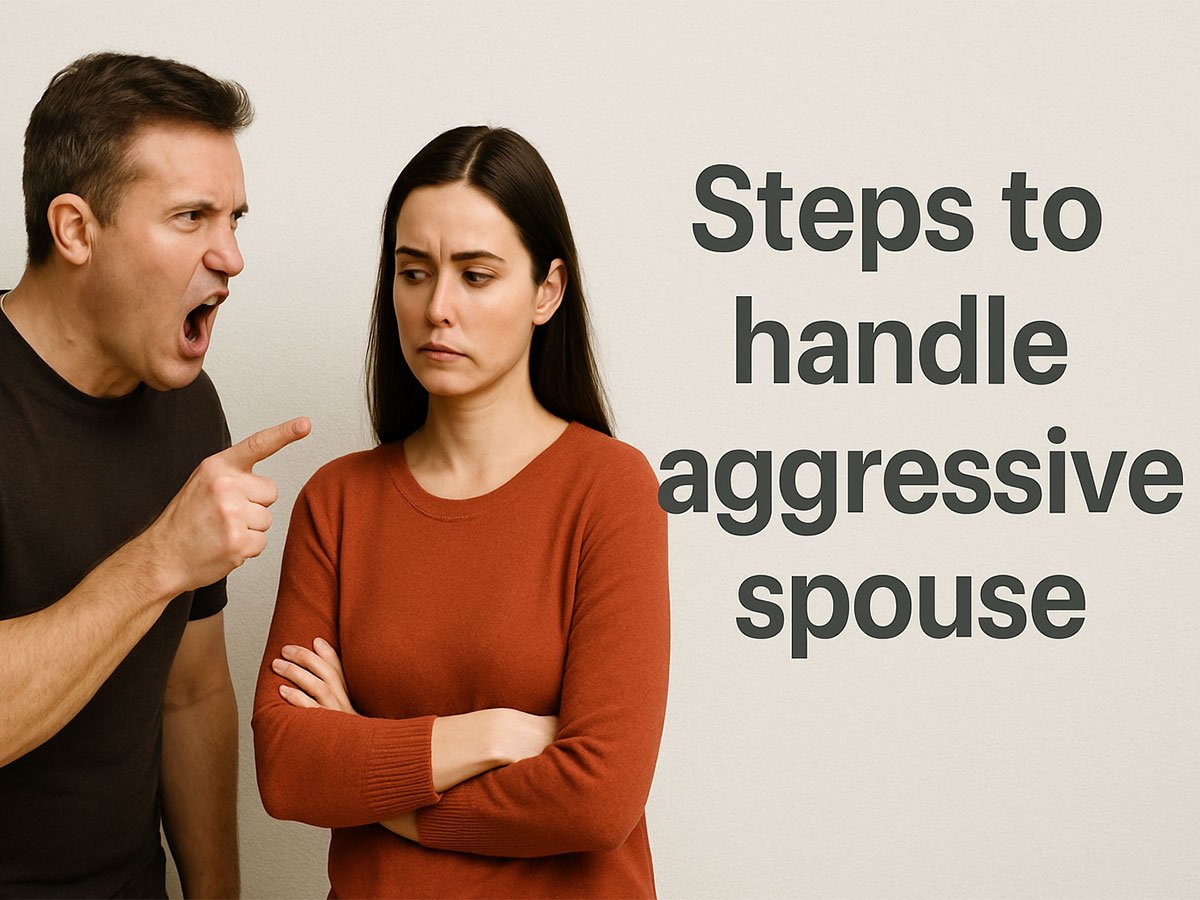
Have you ever wondered why one harsh reaction from your spouse can turn a peaceful day into an emotional storm?
Aggression in marriage—whether it’s raised voices, hurtful words, or sudden anger—can leave you confused, scared, and unsure of what to do next. The good news? There are safe, healthy ways to respond without losing your calm or dignity.
This guide shares 5 practical steps to handle an aggressive spouse, along with real experiences from my sister, cousin, and colleague, so you can understand how these strategies work in real life.
Stay Calm When He Reacts — Don’t Match His Anger
When your spouse reacts with sudden anger, the worst thing you can do is mirror that energy. Staying calm protects your peace and keeps the situation from getting louder or messier. A soft tone, a slow breath, or even a moment of silence can shift the entire atmosphere and prevent the argument from escalating.
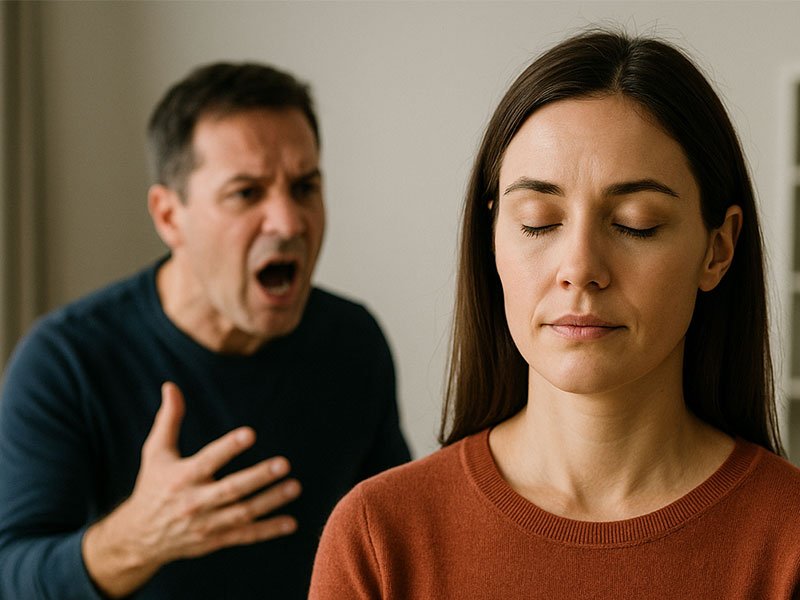
My sister once told me, “When my husband snapped over something small, I wanted to shout back. But I learned to stay quiet for a moment. That silence changed the whole energy and made him realize he was overreacting.”
Staying calm stops the argument from turning into a full fight and keeps you emotionally safe.
Set Clear Boundaries Without Fighting
When anger starts rising in the room, you don’t have to shout or argue to protect yourself. Setting clear boundaries in a calm, steady way shows you value respect without turning the moment into a fight. A simple, firm line can stop the situation from getting worse and remind him that you deserve to be spoken to with dignity.

My cousin shared her method:
“Whenever he started getting angry at night, I gently said, ‘I’m here to talk, but not like this.’ Then I walked into another room. He realized the limit and later came back calmer.”
Healthy boundaries make it clear that you won’t accept disrespect, while still showing that you’re open to communication when things are calm.
Talk During a Peaceful Moment — Not When He’s Angry
When emotions run high, meaningful communication becomes almost impossible. Arguing in the heat of the moment only fuels more anger and misunderstandings. Waiting for a peaceful, calm moment allows both of you to think clearly, speak gently, and actually listen to each other.

When tension fades, defensiveness drops, and the conversation becomes solution-focused instead of conflict-driven. Healthy discussions happen when both people feel safe, steady, and ready to understand—not when they’re overwhelmed by anger.
Try to Understand the Trigger — Not Just the Anger
Aggression rarely comes out of nowhere. Many times, it’s rooted in stress, pressure, or emotional overload—not necessarily something you did. Instead of reacting to the anger itself, try to look beneath it and understand what might be fueling it.
When you approach the situation with curiosity rather than defensiveness, it becomes easier to respond calmly and supportively. This shift helps you see the bigger picture and prevents misunderstandings that can make the situation worse. Understanding the trigger gives you clarity and makes communication smoother and more meaningful.
Protect Your Emotional Space — Seek Support If Needed
Protecting your emotional space is just as important as managing the situation itself. When you’re dealing with an aggressive spouse, the stress can build up quietly inside you.
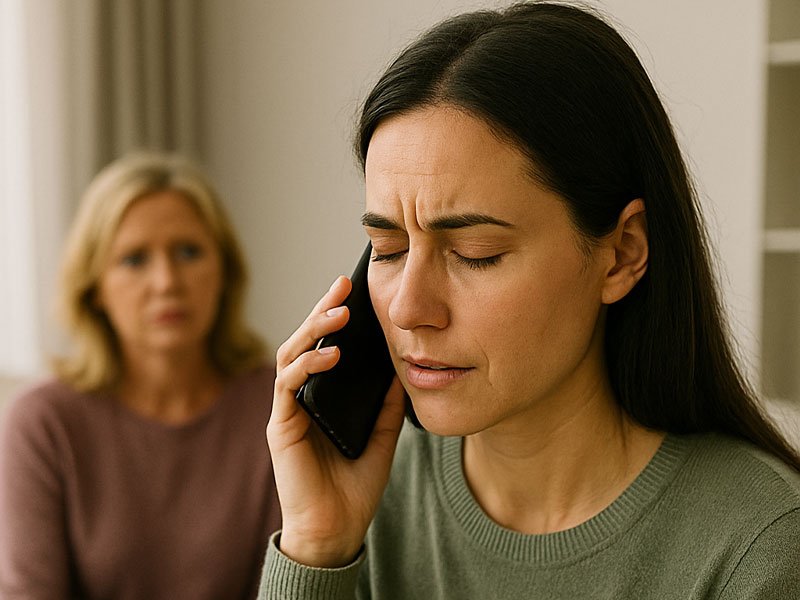
Having a safe outlet—whether it’s a trusted friend, sibling, or support group—helps you stay balanced and reminds you that you’re not carrying this alone. Sharing your feelings with someone who listens without judgment can bring clarity, comfort, and emotional strength.
A colleague once told me:
“Talking to my best friend helped me stay grounded. I understood I wasn’t the problem, and that support kept me emotionally strong.”
Support gives you the stability, confidence, and emotional safety you need—especially when dealing with aggression at home.
Conclusion
A healthy marriage isn’t about avoiding conflict—it’s about knowing how to navigate difficult moments with clarity, calmness, and self-respect. Handling an aggressive spouse doesn’t mean accepting hurtful behavior; it means choosing responses that protect your peace while encouraging healthier communication.
With calm reactions, clear boundaries, the right timing, deeper understanding, and emotional support, you create a safer space for yourself and a clearer path toward change. Remember, your wellbeing matters. You deserve peace, respect, and a relationship where conversations heal—not harm.