
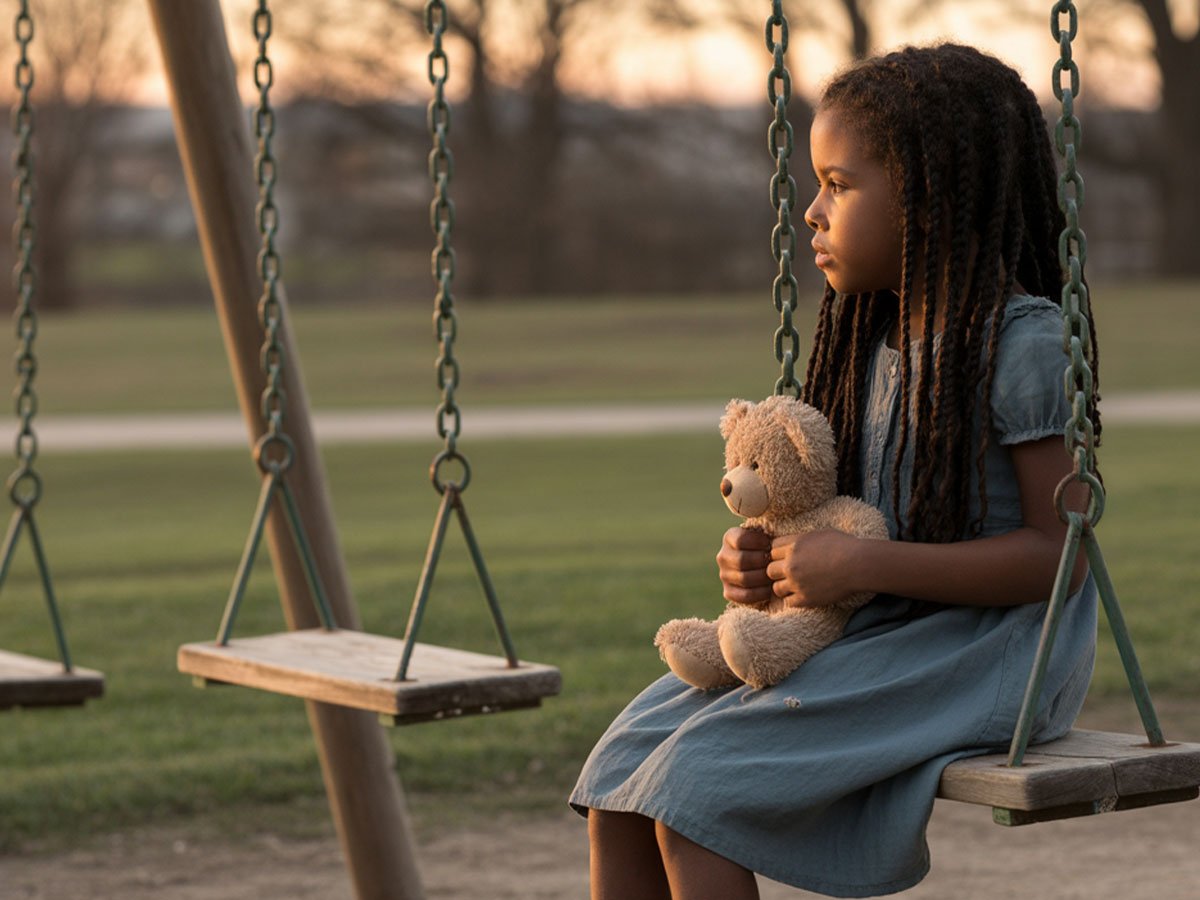
Have you ever wondered which childhood moments stay in a child’s heart forever?
Childhood is where children build their first ideas about love, safety, and trust.
While kids are naturally forgiving, some hurts leave marks that never fade. These deep emotional wounds can quietly follow them into adulthood, affecting their confidence, relationships, and happiness.
Parents don’t have to be perfect — but they do need to be aware.
Below are 11 things children rarely forgive their parents for, along with real-life stories showing how these experiences leave lasting pain.
1. Constant Criticism and Harsh Words
Children need encouragement more than judgment. But when parents constantly criticize, it crushes their self-esteem.
My cousin still remembers being called “lazy” by her father every time she scored below 90%. Now as an adult, even small mistakes make her panic. She works hard but never feels proud of herself.

Harsh words become an inner voice that whispers “you’re not enough” for years. Kids may forget the grades — but not how they were made to feel.
2. Ignoring Their Feelings
When parents brush off emotions, kids start hiding them.
A close friend once told me how she cried after a fight at school, but her mother just said, “Stop being dramatic.” Since then, she never shared her feelings again.
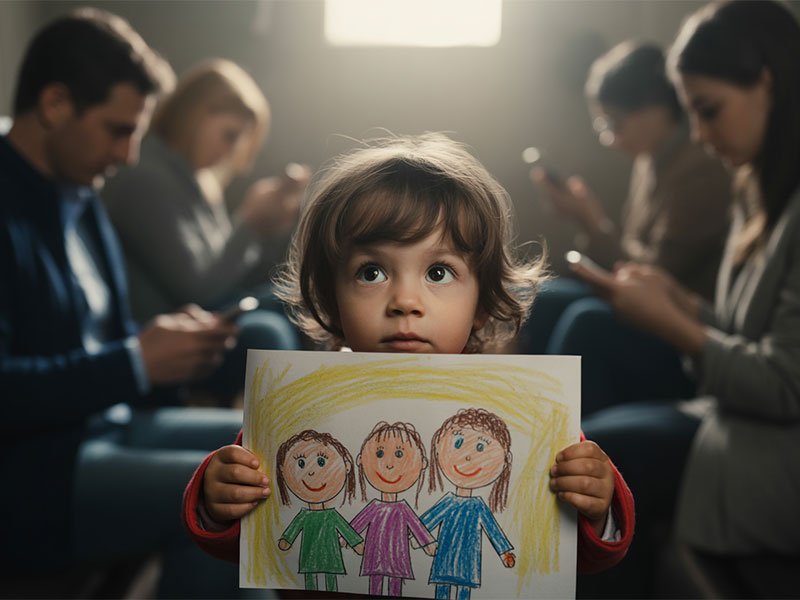
Kids who grow up unheard struggle to express emotions in adulthood. They feel unseen, even when surrounded by people — and that hurt lingers.
3. Showing Favouritism Between Siblings
Favoritism makes children feel unloved and unwanted.

My colleague grew up watching his brother get praised for everything while he was ignored. Even now, he avoids family gatherings because it reopens old wounds.
When one child always gets more affection or support, the other silently questions their worth. That silent pain doesn’t disappear with age.
4. Broken Promises
To kids, a parent’s promise feels sacred. Breaking it repeatedly breaks their trust.
My neighbor’s son stopped asking his dad to come to his football games after being stood up three times. He pretends it’s fine, but you can see the disappointment in his eyes.
Children may forgive one missed promise — but repeated ones teach them not to trust easily, even in adult relationships.
5. Public Humiliation
Correcting kids in public can deeply shame them.
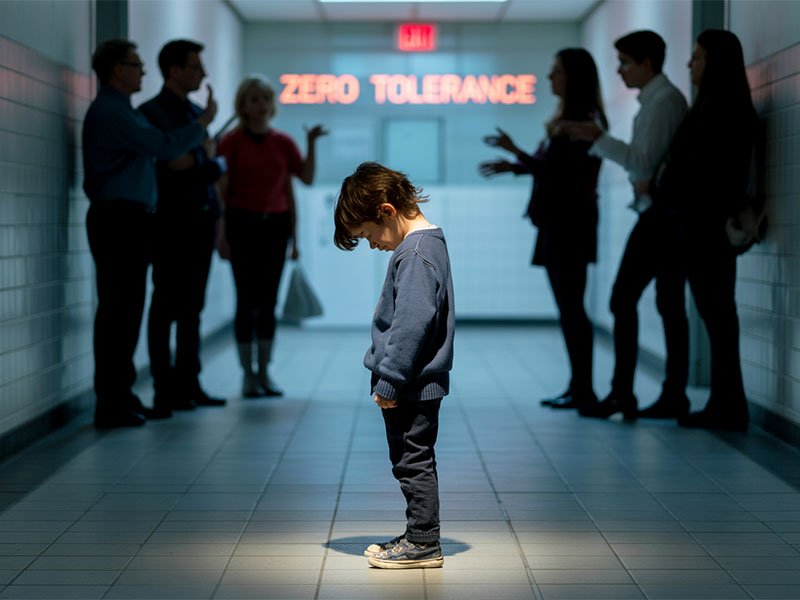
I remember my classmate being yelled at by his mother in front of our whole school bus. He sat quietly the rest of the year, barely talking to anyone.
Public humiliation doesn’t correct behavior; it crushes confidence. Kids carry the memory of that shame far longer than adults realize.
6. Never Saying “I’m Sorry”
Parents who never apologize teach kids that feelings don’t matter.

A friend told me her dad once broke her favorite toy in anger and never said sorry. She says it wasn’t about the toy — it was about feeling invisible.
Saying “I’m sorry” shows respect and builds trust. Children don’t expect perfection, but they do need honesty and humility.
7. Lack of Affection and Warmth
Kids need physical and emotional warmth to feel secure.
My cousin grew up in a house with no hugs or kind words. Now, she admits she struggles to believe anyone truly loves her.
A lack of affection leaves kids emotionally cold and unsure of their worth. Even small moments of warmth could change their world.
8. Comparing Them to Others
Comparisons destroy confidence instead of building it.
One of my colleagues said his father always compared him to the neighbor’s son. Even now, he avoids competition because he’s terrified of losing.
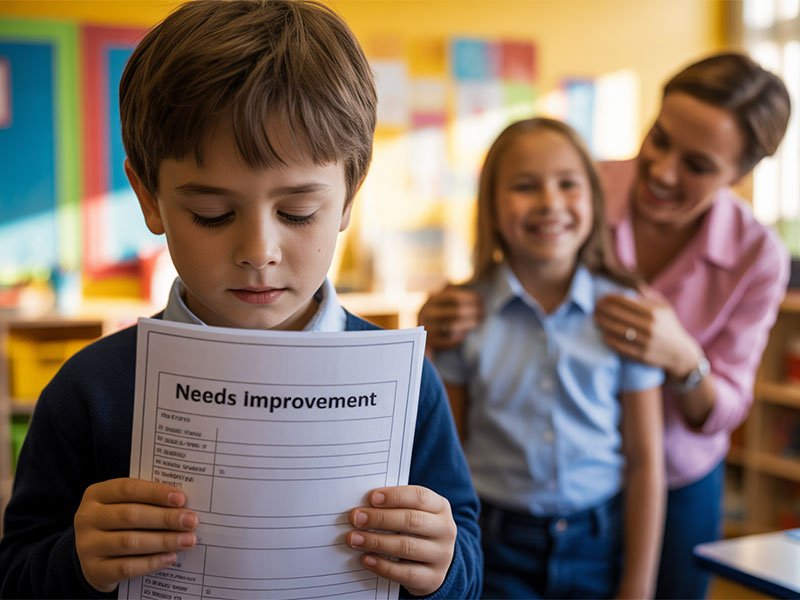
When kids feel they must be “better” to be loved, they never feel good enough. They lose joy in their own small wins.
9. Not Being There in Tough Times
Children remember who stood by them when they were hurting.
A friend shared how her parents didn’t come to the hospital when she broke her arm during sports practice. She said the pain of their absence hurt more than the injury.
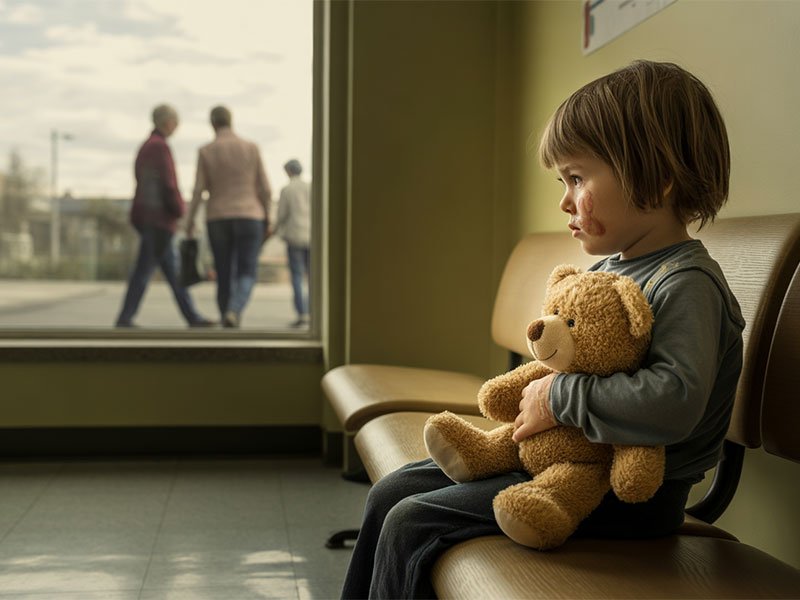
Being present in difficult moments matters more than praise in happy times. Absence in pain is unforgettable.
10. Controlling Every Choice
Too much control kills independence and identity.
My cousin was forced to choose a career his parents liked, not what he loved. He now works in a job he hates, always wondering “what if.”

Guidance helps, but control suffocates. Kids who aren’t allowed to choose grow up unsure who they are.
11. Making Them Feel Like a Burden
Children should feel like blessings, not burdens.
My friend’s mom often said, “We sacrifice everything for you,” and he grew up feeling guilty for existing. Even now, he feels unworthy of help or care.
When kids are made to feel like trouble, they carry hidden shame for years. Love should feel safe, not heavy.
Conclusion:
Children may forgive small mistakes, but they never forget the pain of feeling unloved, unseen, or unwanted.
Parents don’t have to be perfect — just present, kind, and willing to listen.
Little acts of warmth, patience, and honesty can heal wounds and build bonds that last a lifetime.